Fencing Supplies Guides & Resources

Trending Searches

Plumbers

Dentists

Hairdressers

Electricians

Brushwood Fencing Prices

Brushwood Fencing Prices

Brushwood fencing is a type of fence made from thin branches or twigs stacked together and bound with wire, tape, or other fastening methods. In Australia, brush fencing is a popular choice for gardens as it is both affordable and decorative. Commercial brushwood fences are also popular as boundary fences, as they are difficult to climb or breach. Due to their many benefits, brushwood panels have applications other than fencing. Brush panels are suitable materials for feature walls, gazebos, gates, and pergola roofs. Average Brushwood fencing prices: Ranges from around $130 to $270 per lineal metre. Brushwood (does not allow for scaffolding if required) Labour Panel & Cappings $40 to $55pm (2 stage up to 1.8m) Labour Panel & Cappings $60 to $75pm (3 stage up to 2.6m) Labour Panel & Cappings $80 to $105pm (4 stage up to 3.3m) Materials $55pm Extras to fencing: Treated Pine Bases $40 per base installed or $18 pm. Core holes 52mm $28 each. Pool Thatching $30 pm ## How is brushwood fencing made? The process of creating brushwood fencing is relatively simple. First, the branches or twigs are collected and trimmed to the desired length. They are then stacked together in a fence-like formation and bound together with galvanised wire, tape, or other fastening methods. The finished brush fence should be sturdy and weatherproof. If you are creating a brushwood fence for your garden, it is important to choose the right type of branches or twigs. The most popular choices are willow, hazel, and blackthorn, as they are strong and durable. You can also use coniferous trees such as pine or spruce, but these tend to be less durable than other types of wood. ## How does brushwood fencing compare to other types of fencing? Brushwood fencing is a popular choice for a number of reasons. ### Affordable Brushwood fencing is one of the cheapest types of fencing available. ### Decorative Brushwood fences can be made to look very decorative, making them a popular choice for garden fences. You can install a brush fence to enhance the natural outlook of your yard. ### Sturdy Brushwood fences are very sturdy and difficult to breach, making them popular for boundary fences. The materials used to make brush fencing panels absorb sound. Brush fences are therefore good at reducing traffic noise. ### Easy to maintain Brushwood fences require very little maintenance, making them a hassle-free option. However, brushwood fencing does have some drawbacks, listed below. - It is not as secure as other types of fencing. Brushwood fences are not as secure as fences made from metal or concrete, for example. - It is not weatherproof: Brushwood fences can rot and decay if they are not treated regularly with a wood preserver. - It can be unsightly: Some people find the appearance of brushwood fencing to be messy. - It is not suitable in all geographical areas: Some people find that brushwood fencing attracts wasps, bees, or ants. ## What are the alternatives to brushwood fencing? If you are looking for an affordable and decorative garden fence, several alternatives are available in Australia other than [timber fences](/guides/timber-fencing/what-is-timber-fencing). One natural alternative is wattle fencing. Wattles are woven between wooden posts in a similar way to brushwood fencing. However, wattles are typically are not as long lasting as brushwood fencing, meaning they will need more regular maintenance. Another popular choice for [garden fences is aluminium](/guides/fencing-supplies/what-is-aluminium-fencing), which comes in a variety of styles and colours. If you live in an area where scrubland or woodland is abundant, you can also use split rail fencing. This type of fence is made from split logs planted in the ground. ## What are the benefits of brushwood fencing? Brushwood fencing has many benefits, making it a popular choice for both homeowners and garden fence contractors. Brushwood fences are affordable compared to other options such as hardwood timber and metal fencing alternatives. A brushwood fence can enhance the natural appearance of the compound to match the garden's landscape. Brushwood fences are very strong and resilient. Heavy duty brush fences can withstand harsh weather and windy conditions like Western Australia. Brush fencing is therefore ideal for installation in exposed locations. Brush fencing panels require very little maintenance: Unlike other types of fences, brushwood does not require much in terms of regular maintenance, making it a hassle-free option. Brushwood does not rot: Because the branches and twigs used to make brushwood fences are generally allowed to dry out before they are bound together, it doesn't tend to rot or decay over time. This means that brushwood fencing is long lasting. It can last several decades without requiring any maintenance. Some of the leaves used to make brush fencing panels have natural oils that repel white ants, certain insects, and spiders preventing attacks. Birch, hazel, and willow often blend well with natural surroundings such as rivers and forests, so using these types of wood for your fence will help it merge with the landscape. ## How to build a brushwood fence Building a brushwood fence is a relatively simple DIY process. The first step is to gather enough thin branches or twigs to create the desired height and width of your fence. Once you have gathered your materials, you will need to decide on the layout of your fence. If you are creating a new fence, use stakes and strings to mark out the desired shape and size. If you are repairing an existing fence, use caution when removing the old fence, as you may damage the underlying posts. Once you have marked out the desired shape and size of your fence, use a sharp knife or saw to cut the branches to the correct length. Then, using a strong adhesive, bind the branches together to form panels. Once the panels are dry, install them into the desired location and secure them in place with nails or screws. If you are using metal posts, attach the panels directly to the posts with wire. If you are using wooden posts, it is advisable to wrap the panels in chicken wire to prevent them from being chewed by animals. Once your fence is constructed, use a wood preserver to seal and protect it from weathering and decay. Also, capping the brush panels is highly recommended. Capping prevents the top edges from clipping and chipping, giving the brush fence a long life. ## How long does brushwood fencing last? Brushwood fencing will last for many decades if it is properly maintained. The best way to maintain your brushwood fence is with a wood preserver, which should be applied at least once every year, depending on the severity of weather conditions. The branches, twigs and leaves used to make brush fences are a renewable resource. If you replace the brush fence down the line, the materials can be ploughed back into the soil since they are biodegradable. Brushwood may be a little expensive to [use as a rural fence](/guides/fencing-supplies/rural-fencing-prices) for example. ## Brushwood fencing costs per square metre The cost of brushwood fencing in Australia largely depends on the quality and size of the materials used. For example, you can expect to pay around $3 per metre for untreated willow branches, but up to $8 per metre for pressure-treated pine fence pickets. The cost of installing a brushwood fence also varies, depending on the size and complexity of the project. Generally, you can expect to pay between $10 and $25 per metre for professional installation. Brushwood fencing panels are bulky, with weights ranging from 50kg. Additional freight costs can be high. For those looking for more information on hiring someone for a fencing job, take a look at this guide from the [New South Wales Department of Fair Trading](https://www.fairtrading.nsw.gov.au/trades-and-businesses/licensing-and-qualifications/fencing). Check if similar regulations apply in your area.

Fencing Supplies Guides & Resources
What is Mesh Fencing?

What is Mesh Fencing?

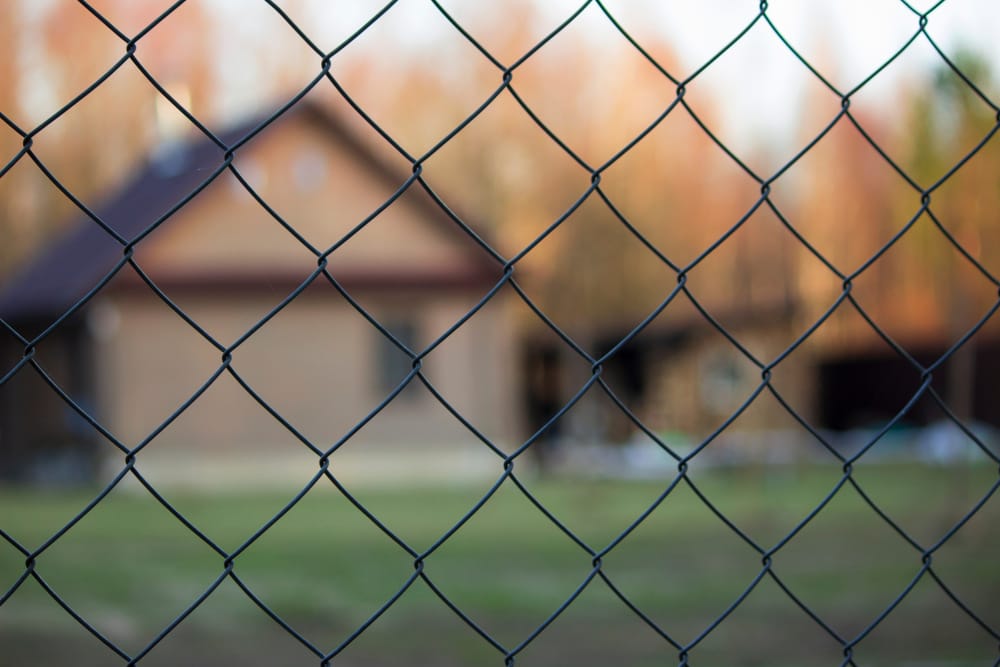
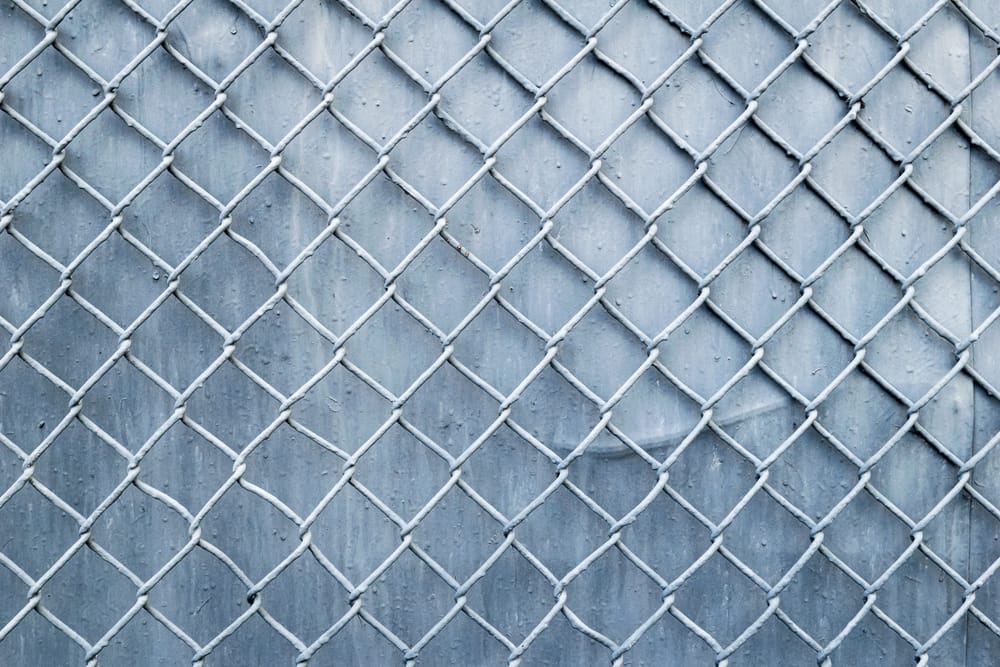
Many people use mesh fencing for security and protection of their pets inside a yard. Manufacturers also make security fencing using mesh construction material to keep play areas covered for children at schools and public parks as a boundary for kids while they are playing. Chain link fencing is often used in pool fencing to restrict entry. These fencing gates are also used in construction and industrial projects for security purposes. The gates also allow air ventilation and are highly durable. Mesh fencing has various specifications, each resulting in different security levels. Some wires make very small holes that might look like metal netting. The width of holes in mesh fencing is usually bigger than 1cm², so tiny insects and plant spores can pass through it easily. It can keep out dogs, cats, birds and humans. They are even used in zoos for animal enclosures. Galvanised mesh fencing will not prevent people from seeing through it if they are standing close to it, but humans will have trouble seeing through the mesh fencing at a distance because of its small gap width. However, mesh fencing has various specifications. The fence wires do not offer complete visibility protection since some parts of an object may be visible at certain angles. They are often teamed with [metal fence posts](/guides/fencing-supplies/metal-vs-wood-fence-posts). ## What types of mesh fencing materials are available? Mesh fencing materials are made of metal (heavy duty) or plastic, a combination of both or woven wire mesh or welded wire mesh. There are various options of mesh fencing solutions available such as chain link fencing using chain mesh or welded mesh fencing using welded wire mesh. Some wires are made of aluminium or steel wire while all-metal mesh fence sheets consist only of wire. Mesh fencing with an all-plastic base will have stronger protection and security from weather conditions and abrasion and have long durability. This type of fencing is also lighter in weight than the metal mesh type. Although this fencing solution is more expensive compared to sheet metal mesh, the plastic mesh can last longer than metal mesh when exposed to water for long periods of time. [Welded metal mesh fencing](/guides/fencing-supplies/weld-mesh-fence-panels-price) has a life span of up to 25 years, while plastic mesh fencing has life span for about 10-15 years. Mesh fencing is more durable than other types of fencing because it does not have any wooden parts to rot or rust over time. This fencing is usually maintenance-free and requires little if any repairs. Mesh fence is usually easy to install but can be cut to fit different shapes and forms if needed. Cutting the fence might result in sharp edges, so gloves should be worn for protection when handling cut fence panels. Some welded mesh fencing comes with pre-drilled holes that may save installation time depending on the size of the fence being built. ## What is wire mesh used for? Galvanised mesh fencing is installed by property owners for various security applications. Hot-dip galvanised wire fences can be built around obstacles such as flowerbeds and trees. This fencing especially suits homeowners that want to avoid damage caused by lawnmowers, weed eaters or other outdoor power tools. Welded mesh fences can also be placed around various types of equipment and machinery and to keep people from accidentally injuring themselves on the sharp edges and moving parts in construction project sites or industrial property. Securing backyard fruit-bearing plants like apple and peach trees from being damaged is another common use of hot-dip galvanised mesh fencing. Galvanised mesh fencing around fruit-bearing trees can also keep small animals away from the trees. [Ring lock fencing](/guides/fencing-supplies/ring-lock-fencing-prices) is a good alternative. ## How long will mesh fencing last? High strength hot-dip galvanised mesh fencing comes with warranties that may vary from manufacturer to manufacturer. However, most manufacturers guarantee their fence against rust or corrosion for five years or more. In addition, DIY mesh fencing projects are almost maintenance-free except for cleaning debris occasionally which can be done using a garden hose with moderate pressure attached to it to remove dirt particles on the mesh panels. Welded mesh fences installed properly have good durability and should last for several years. ## Benefits of chain mesh fencing Chain mesh fencing has many benefits in comparison to welded mesh fencing. Chain mesh is the first choice of homeowners or businesses that are looking for a cost-effective, long life, durable and maintenance-free product. Chain mesh fencing is designed for safety purposes but the chain wire doesn't look ugly because there are many attractive designs to choose from. Chain mesh fencing is great for pool fencing and for fencing in sports fields. Chain mesh fencing is also easy to install which makes them the perfect DIY project for anyone interested in the security of their yard or other outdoor areas without having to pay top dollars for installing traditional style [aluminium fence panels](/guides/fencing-supplies/aluminium-fence-panels-prices). ## How important is the size of the mesh in mesh fencing? Galvanised mesh fencing comes in a various range of shapes and sizes. However, the mesh size of the wire is important because it defines how much security you will get from the product.The size depends on the security needs of the owner. A larger mesh size creates more visibility for both sides while a tighter mesh provides more security to the homeowner installing the hot-dip galvanised mesh. Mesh fencing is available in a range of mesh diameters from 3mm to about 20mm, but the most common manufacture size today is 6mm which provides good visibility and security. ## How do I measure the size of chain mesh? Mesh fencing wire has a standard size range of 0.65" mesh (35m/m) which means that one square inch on the chain mesh panel is equal to 0.65 inches of length or width, depending on how you measure it. The length and width can vary but in most cases, the width and length are the same as below. The below shows the most common range of mesh sizes for chain link fence panels. - 3mm x 3mm Square Mesh - 1-inch openings = 32-gauge wire - 6mm x 6mm Square Mesh - 1-inch openings = 29-gauge wire - 9mm x 9mm Square Mesh - 1-inch openings = 26-gauge wire - 13mm x 13mm Square Mesh - 1-inch openings = 23-gauge wire ## Is mesh fencing expensive? Mesh fencing is generally considered a budget-friendly product because this fencing wire costs less than other types of construction material like metal and wood. However, galvanised wire mesh fencing also comes in a different range of grades which affect the price, durability and how long it's expected to last under normal conditions when left unchanged. ## What grade of wire mesh should I buy? The choice between tough galvanised steel, vinyl-coated or aluminium will probably depend on what purposes you're using the fence for and whether you need a durable fence barrier that won't shatter easily if someone accidentally drops something heavy on it. Mesh panels made from stainless steel tend to be more expensive than those made from tough galvanised steel but they are sturdy and don't require painting which saves money in the long run. Aluminium mesh fencing is the least expensive but the wires corrode easily in humid or salty conditions. Vinyl-coated mesh fencing provides affordable protection against weather, weeds and insects because the vinyl coated wire isn't affected by moisture. This coated wire fence has more durability. ## How long does it take to install mesh fencing? Mesh fencing is flexible to install and it doesn't require any special tools to attach. Most property owners can complete the galvanised wire mesh fence installation in about one day by themselves if they follow the instructions carefully. Galvanised mesh panels are delivered in an industrial roll. The woven fence wires should be installed on a flat gravel bed or concrete foundation for stability. Foundation rails should extend to a range of 3 inches under each galvanised mesh panel and 1/2 inch under the bottom rail which forms part of the wire structure.

Weld Mesh Fence Panels Price

Weld Mesh Fence Panels Price

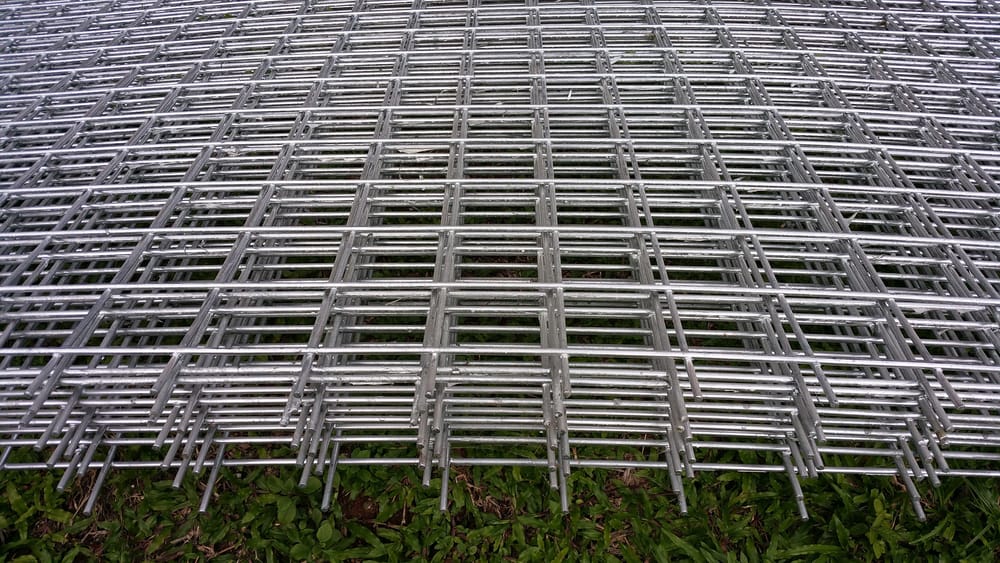
Weld mesh fence panels are a popular choice for fencing, as they are strong and durable. They are also relatively affordable, making them a popular option for those on a budget. A weld mesh fence panel looks like a metal grid and is made up of small squares or rectangles. The squares or rectangles are welded together to form the fence panel. Weld mesh fencing panels are available in various sizes, depending on your requirements. They can also be purchased in a range of styles and colours, so you can find the perfect one that will suit your home or business. Weldmesh fence panels are a great option for those looking for a strong and durable yet affordable fence. Below are some prices for roll top weldmesh panels. - 3000mm x 1200mm $67 - 2400mm x 1200mm $56 - 1800mm x 2930mm black fencing weldmesh security $150 ## What are weld mesh fence panels best used for? Weld mesh fence panels are often installed as security fences for your business or house because of their strength and difficulty penetrating. They can also be used to keep animals in or out of an area or protect property from intruders and are different from [chain link fences](/guides/fencing-supplies/chain-link-fence-price). They are also suitable for fencing off swimming pools from the rest of the garden, making gates, and constructing animal cages. ## What size weld mesh panels should I choose? The size of your mesh fence will depend on what you intend to use it for. Some people need extra height for high wind conditions, while others want their new fence installed so they can see all the way through without any obstruction. To determine the option that will suit you, look at how tall your current or future fences are and what sort of view you would like over the top. For a more decorative look, you can go for a smaller mesh size where it will be possible to see through the fence. For a higher grade security fence, choose a larger mesh that prevents people from looking into your property and seeing valuable assets. Or you can go with a [colorbond fence](/guides/colorbond-fencing/colorbond-fence-price). Galvanised mesh panels also come in extensive options, styles, and colours, both for domestic and commercial purposes. Some commercial service providers will supply the mesh fencing materials, while others will supply and install everything. ## Do weld mesh panels fences need to be treated? Weld mesh fence panels do not require any treatment, but it is recommended that you coat the mesh fencing panels with a metal paint or sealant every few years to prevent them from rusting. If you do not want to paint or seal the panels, you can choose a colour that will hide any dirt or rust that may form. Weld mesh fence panels are a popular and affordable fencing option. They are strong, durable, and available in a range of sizes and colours. They are a good solution for people looking for a security fence that is also easy to maintain. ## How do I install a weld mesh panel fence? If you are installing your own weld mesh fence panels, you will first need to dig a hole around where each post will be placed. The depth should be slightly greater than the thickness of the posts that are being used. You can then stick or hammer in some metal stakes on either side of the holes to stop the mesh from moving when it gets installed over them. Place one end of a roll of weld mesh into one hole, ensuring that it is as taut and straight as possible before placing another post on top. Continue this process with each post until you have completed all of them. Add some concrete to each hole, so everything stays secure while cure time elapses. Once this has dried, cut the weld mesh to the required size and finish the fence by attaching it to the posts with galvanised staples or wire. If you are not confident in your DIY skills, it is always best to get a professional to install your weld mesh fence for you. This will ensure that it meets all safety requirements. There is no need to treat weld mesh fence panels as they are rust-resistant. However, it's a good idea to give them a coat of metal paint or sealer every few years just to keep them in top condition. Need to replace a boundary fence, perhaps one shared with the neighbours? Take a look at the legalities on the [LawAccess NSW website](https://www.lawaccess.nsw.gov.au/Pages/representing/lawassist_fences/lawassist_buidingfixingreplacing_fences/lawassist_buidingfixingreplacing_fences.aspx), but check to see if the rules apply in your local area. ## Can I paint a weld mesh panel fence? Yes, you can paint weld mesh panels as long as the paint is metal-based. This will ensure that it will adhere to the surface and maintain its rust resistance better than other types of paints. As an alternative, you can also use galvanised spray paint or even spray on some steel sealant if you want to keep costs down. Do not apply regular house paint or acrylics as they may peel off when subjected to strong winds and rain. If you are replacing a fence entirely, take a look at the [average costs to do so](/guides/fencing-supplies/fence-replacement-cost).

Metal vs wood fence posts

Metal vs wood fence posts

Metal posts are generally more expensive, but they are also more durable and easier to install. Wood posts are less expensive, but they require more maintenance and are more likely to rot. Metal posts are made from various materials, including galvanised steel, aluminium, and vinyl. They are more durable than wood posts and can withstand extreme weather conditions. Metal posts are also easier to install than wood posts because they do not require any drilling or pounding. Wooden fence posts are made from pressure-treated wood or hardwood and are available in a variety of sizes. Wooden posts are less expensive than metal posts but with more maintenance required. Wood posts rot. To give them a longer lifespan, they need to be treated with a water-repelling sealant every few years in order to prevent them from rotting. Wood posts are also more likely to warp or split over time. Which type of post is right for you will depend on several factors. If you are looking for a durable, easy-to-install post that can withstand extreme weather conditions, and requires less upkeep, then metal is the best option. If you are looking for a less expensive post, then wood may be the best option. Depending on your home improvement needs, a wood fence is aesthetically pleasing and a classic choice. On the other hand, steel or metal fence panels give your compound a modern feel. ## Do metal fence posts last longer? Metal fence posts are more durable than wood and have a longer lifespan with less maintenance. Metal fence posts are also less likely to warp or rot over time. This makes metal posts a better choice for homeowners looking for a long-term solution. Wood posts, on the other hand, require more upkeep to extend their lifespan. They must be treated with a water-repelling sealant every few years and may warp or split over time. If you are not willing to put in the extra work, then wood posts may not be the best option. ## What maintenance is required for fence posts? After installation, some maintenance will be required during the life of fence posts. Metal and steel posts can rust due to exposure to changing moisture levels. Galvanised steel fence posts are rust proof. The initial cost of galvanised steel is high, but maintenance costs are much lower. In contrast, wood fences come with various challenges. Warped posts have to be removed or changed. The same case applies to brittle wood that may crack or split. Timber fence posts anchored below ground level are prone to insect damage if they are not safeguarded with chromated copper arsenate chemicals. Wooden fence posts may grey out due to oxidation of the surface caused by natural elements. When fading occurs, it may be necessary to stain or paint the wood fence posts afresh. Besides, wooden fences are susceptible to damage from heavy winds, and storms leading to additional maintenance costs. ## What is a star post in fencing? A star post is a metal post that has been driven into the ground using a hydraulic ram. The term "star post" comes from the design of the post, which resembles an asterisk (\*). Star posts are very durable and can last for decades with little or no maintenance. They are also easy to install, requiring only minimal digging. On the other hand, star posts can be expensive and may require more space for installation. They are also more difficult to remove if they need to be replaced. If you are looking for a durable post that is easy to install, then a star post may be the best option for you. ## How to install steel fence posts Installing a pressure-treated wood or steel fence post is a relatively easy process that can be completed in just a few minutes. 1 Mark the positions of the corner posts. Use a string line to ensure the other posts are straight aligned with the corner posts. A 6-8 feet distance between middle posts is generally sufficient for privacy fences. 2 Use a post hole digger to dig a hole in the ground. Post holes should be at least twice the size of the post. 3 Place the post in the hole and ensure that it is level. 4 Fill the hole with concrete or any other materials and allow it to dry. 5 If necessary, use a hammer to tap the post into the ground until it is flush with the surface. 6 Apply a water-repelling sealant to the post to protect it from weather damage. When installing a steel fence post, it is important to make sure that the hole is dug at least twice the size of the post. This will ensure that enough room is provided for proper installation. If necessary, you can use a hammer to tap the post into place. Impact metal posts are designed to protect trees and other sensitive plant life from damage during construction or landscaping projects. An impact metal post should only be used when absolutely necessary, as it can be expensive and difficult to install. If you are looking for a durable post that is easy to install, then choose metal posts. If you are looking for a less expensive post, then timber posts may be the best option. ## What shape of fence post is best? There is no one-size-fits-all answer to this question, as the best shape of the fence post will vary depending on your specific needs. However, some of the most common shapes include the below. ### Square posts Square posts are the most common type of post, as they are easy to install and relatively affordable. They are also less likely to warp or split over time. ### Round posts Round posts are more expensive than square metal fence posts but are more durable and less likely to warp or split. ### Star posts Star metal fence posts are very durable, require no maintenance and have a long lifespan. ### Impact metal posts Impact metal posts are designed to protect trees and other sensitive plant life from damage during construction or landscaping projects. An impact metal post should only be used when absolutely necessary, as it can be expensive and difficult to install. ## How long do fence posts last? Wooden or galvanised steel posts can last for decades with little or no maintenance if properly installed and protected from the natural elements. This requires that the post be filled with concrete, which is then covered in a water-repelling sealant to protect it from weather damage. If you are looking for a hardy post that is easy to install, then steel fence posts may be the best option.

Chain Link Fence Price

Chain Link Fence Price

A chain link fence and gates help safeguard your house or business at a budget-friendly cost. Chain link wires come in various sizes, thicknesses and materials. These differences may vary the price of the fence you choose. Galvanised steel is a good option if you're looking for chainwire fencing that will last for many years. However, chain wire fencing is also the most expensive option. If you're on a tight budget, you may want to consider opting for a fence made from aluminium or PVC if you don't want to pay much because another fencing option is quite expensive. Standard diamond sizes for a chain link fence are 50 and 60mm, with chain links normally purchased in roll lengths of 10, 15 and 20m. Chain mesh fencing prices vary considerably depending on the size. Each 15-metre roll will range from $70 to about $120. 20m bundles will cost $150-$200. Installing chain mesh starts at around $30 per metre. Chain mesh fencing is exceptionally durable and easily installed. Chain wire mesh is widely used in many applications. The cost of chain wire gates and chain wire pipes will be added separately. ## What are the different types of chain link fences? The most common types of fencing options include the below. ### Standard chain link The standard chain link fence material is mainly galvanised steel and is suitable for residential and commercial purposes. The relatively affordable fencing cost does not compromise the quality of the chain link fencing; Rather, this fence material has high durability because it can withstand different climatic conditions. However, the fencing installation will require professional guidance. ### Vinyl coated chain link This chain link fence is usually used for industrial purposes. The fencing material is processed by coating a galvanised steel fence with vinyl. It's a good option if you're looking for a low-maintenance material and a fence that will offer many years of service. ### Powder coated This is one of the best types of chain link fencing in terms of durability, and it's also the least expensive option. It can be used in corner posts, gate posts, line posts, and terminal posts. While powder-coated fences are generally considered to be less stylish than other types, they'll hold their look for many years. They are best suited for commercial purposes. ### Vinyl coated wire mesh The chain link fabric in this type of fence is a wire mesh that has been coated in a vinyl coating. It is one of the best-looking types of fence but the total costs incurred are also more than other types of chain mesh fencing. ### Ornamental While it offers sufficient security, it may compromise privacy. The labour services are pretty expensive because this fencing requires more precision and time. Chain wire mesh does not require much maintenance when it is installed correctly. It comes in various coatings like aluminium, vinyl, or galvanised steel. The chain wire mesh is subject to tear, but that can be fixed easily by a professional. The cost of chain wire fencing is calculated per metre. The cost of each chain wire fencing depends on varying heights. ## What factors affect the price of chain link fences? There are a number of factors and features to the cost of a chain link fence. ### Size of the fence The bigger the fencing is, the more it will cost. ### Type of material used Galvanised steel is the most expensive option, while PVC is the cheapest for this type of fencing. ### Type of fencing There are various types of chain link fencing, and each one has its own unique set of benefits and drawbacks. ### Installation process f you get a professional to install your fence, it will cost more than doing it yourself. ### Location of your property The location may affect the price because of transportation costs, given that it can be challenging to find materials in certain areas. ## Can you install a chain link fencing yourself? Yes, you can install a chain link fencing yourself, but it will save you time if you have a professional doing it for you. The installation process is relatively simple. First, you'll need to purchase the fencing materials, dig the holes, and [set up all the posts](/guides/fencing-supplies/how-deep-should-fence-posts-be). You will need a terminal post for each corner and the gates. ## What tools do I need to install a chain link fence? You'll need the following tools to install your chain link fence. - Shovel - Post hole digger - Level - T-bar and wrench - Wire cutters - Hammer - Pliers - Screwdriver ## How do I sink a fence post? To sink a fence post, you'll need first to dig a hole. The hole should be at least twice the post's width and about a third deep as the post is long. Once the post is in place, use your level to make sure it's straight, and then fill in the hole around the post with soil. To use concrete to secure a fence post, you'll need to mix it according to the provided instructions. Then, pour the concrete into the hole, making sure that it covers the bottom two-thirds of the post. Allow it to dry for one whole day before attaching your fence materials. Need some fencing tips from the professionals? Take a look at this guide to fencing by the [Western Australian State Government](https://www.agric.wa.gov.au/small-landholders-western-australia/fencing-beginners?page=0%2C1). ## How do I attach a chain link fence to a post? Once you've installed your posts, it's time to start attaching the fence. Begin by measuring the length of each section of the fence and cutting the wire to size. Next, attach the wire to the post with pliers, ensuring it's tight. Use a level to make sure the wire is straight. Once you've done this for each section of the fencing, next attach to the next post using an appropriate tool (pliers and a wrench or T-bar). You may have to choose between [metal and wood fence posts](/guides/fencing-supplies/metal-vs-wood-fence-posts). ## How do I install chain link panels? Installing chain link panels can be pretty tricky, especially if you're working alone. However, if you have a professional install them for you, it should only take about an hour. The first thing to do is place the posts in your desired location and mark where they need to be dug. Next, use your post hole digger to dig holes that are two times wider than the width of your posts. After that, slide the posts into the holes. Once you have all of your posts in place, it's time to attach your panels. You'll need to use bolts on each section of the fence. These bolts should be evenly spaced throughout the entire structure. Once you have them all attached, secure your gate on each side with hinges and a latch. ## How long does a chain link fence last? Chain wire mesh (also termed chain mesh fencing, chain wire fencing, and chain link) is the oldest form of fencing. A chain link fence can last anywhere from 10 to 20 years, depending on the quality of the materials, the wire used, and how well you maintain it. If you live in a particularly harsh environment, look for a more permanent solution. For instance, consider investing in a vinyl or wood fence. These materials are much more durable and last for decades. [Weld mesh](/guides/fencing-supplies/weld-mesh-fence-panels-price) is a good alternative to a chain link fence.

How Much Does A Brick Fence Cost?

How Much Does A Brick Fence Cost?

Even a simple brick fence still requires special equipment and the skills of qualified bricklayers. The cost of a brick wall is higher than alternative fence types such as wood. However, brick fencing has more advantages. It is more durable and with proper maintenance will serve you for a long time. The total cost to build a brick wall is higher because of the cost of buying bricks and other materials required. The price of a brick fence can vary between $800 to $1200+ per square metre. | Type of brick work | Estimated cost | | -- | -- | | Replace a damaged brick pier | $3,000 | true | | Repair damage on a brick fence | $2,000 | true | | Minor rendering | $1,300 | true | | Increase the height of a brick fence | $1,000 | true | | Replace a few bricks on an existing fence | $800 to $1,000 | true | | Fill gaps in an existing brick fence | $500 | true | ## How much do brick fence materials cost? Most bricks are generally sold per thousand. Concrete masonry bricks are priced between $800 to $1,000 per 1,000. Modular concrete bricks will cost around $1,300 more per 1,000 units (290 x 90 x 90mm). - The price for 1,000 standard clay bricks ranges from $600 to $850 - Modular clay bricks are priced between $800 to $1,000 per 1,000 Additional costs to building a brick fence include the wall type and intricate designs and finishes will cost more to build. Fees payable to the local council will inflate the total average cost to build a brick wall if they are necessary. ## Is a brick fence cheaper than a wooden fence? In short, no. Installing a [wood or timber fence](/guides/timber-fencing/timber-fence-cost) will cost less per square foot than building a brick fence. This is because it requires fewer materials and takes less time to construct a wooden structure. Also, a brick fence has greater structural integrity and requires more time to build. The labour required to build a brick fence will cost more than the labour to build a wooden fence and may demand the services or skills of a brick fencing contractor. The brick garden wall cost is also affected if brick columns are added to the brick wall. However, bricks are much stronger than wood, and the structural design of a brick fence is more complicated as well. Nevertheless, because wooden fences are easier to install and less expensive in comparison to brick fences, they will remain a better choice for many homeowners. For those who want a more effective fence with greater structural integrity, bricks may be the way to go. ## How is a brick fence installed? - Mortar and sand are used to secure the bricks together. - The sand used can either be wet or dry sand, depending on whether it is exposed to water. The sand used for exposed structures will need to be dampened during installation. - Mark out the outlines of the brickwork (i.e. border of your yard). - Excavate your soil to make room for the bottom row of bricks, if required. - Lay down bedding mortar (a mixture made from sand and premixed cement) on top of where you will place your bricks. - Place, level and align each brick carefully with its neighbour (there should be no gaps between neighbouring bricks). - Screed off the excess mortar and then allow the entire structure to dry. - Apply a thin coat of premixed cement (referred to as 'render') over the brick surface. - Allow it to dry, and apply further coats if needed for a more durable finish. ## What types of brick can I get? You can choose between different types of bricks at [different price points](/guides/fencing-supplies/brick-fence-cost) that meet Australian Standards and suit the design and colour you want for your garden walls fence. ### Concrete masonry bricks These bricks are durable and can restrain against harsh conditions such as fires, floods and earthquakes. ### Clay bricks These bricks are long-lasting and fire-resistant. They are less likely to break compared to regular sanded clay blocks. ### Modular bricks These bricks are usually the preferred option for fence construction due to their wide variety of sizes, thickness and shapes. For example, Jumbo or large format bricks can be used for decorative purposes while the smaller size blocks are better suited for structural strength. ### Sanded clay blocks These types of blocks are less expensive than masonry bricks but lack in durability. They are not made from clay so they will not absorb water easily. Sanded clay blocks typically come with premixed mortar, making them easier to use during construction. ### Sandstone blocks They are highly durable and will prevent cracking better than other types of blocks during harsh weather conditions such as heavy rainfall or sunlight. However, the high durability comes with a higher cost for these bricks. ## How long does it take to build a brick fence? A standard brick fence will take around two to three days to finish if all the materials to construct the new fence and site conditions are ready. This includes excavation, laying of blocks and mortar, rendering and painting. Installing other types of custom brick walls such as brick piers or thin brick veneer may take a longer time. The fence builder will be able to estimate the time it will take for such specialised brick wall work. Also, if there is an old fence that needs demolition, the time required may be longer. To get an estimate of how long it will take to complete your brick wall, consult the fencing contractors near you. ## What maintenance does a brick fence require? A brick fence will need regular sweeping and repointing every few years in order to maintain strength and durability. Avoid using detergents when washing your brick fence because it may affect the colour of the mortar, which may cause it to discolour and crumble over time. Rendering a fence is done every 4-8 years on average, depending on the quality of rendering and size of the area. Modern renders are designed to be breathable and last a long time. They still prevent water from entering at the bottom but allow moisture out as well. Regularly repointed brick fences require less maintenance over time as their life span increases considerably. Replacement bricks should be installed when brick wall fencing materials crack or break to prevent further damage to the wall. In general, the material used will dictate how much maintenance is necessary to increase the lifespan of the fence. ## How long does a brick fence last? A well-maintained brick fence can last many decades. Compared to wood fences such as [treated pine or hardwood](/guides/timber-fencing/treated-pine-vs-hardwood-fence), brick fences last much longer. Brick fences with a good quality of rendering and painting will require less maintenance, which significantly increases lifespan. Other alternatives to a brick wall that last long is the wrought iron or the steel fence option. However, the cost of a brick wall is less than that of the metal materials. ## What does a bricklayer do? A bricklayer or brickie as local tradies are commonly referred to is a tradesperson who specialises in the laying of bricks and masonry. They may also be called on to repair, replace and install bricks as well as build brick structures such as those found in fireplaces, chimneys and patios. A bricklayer's duties can vary depending on the type of projects he is working on from laying plain bricks to complex designs. To build a brick fence, a bricklayer will need to lay the bricks in mortar onto a framework of wood or metal. When laying bricks, bricklayers must use trowels for smoothing and levelling the bedding mortar. They must remove excess mortar before pointing up joints by running the trowel along with them in a smooth motion. When the mortar dries, they will need to use pointing trowels to finish the joints by packing the mortar into them. To build a brick wall, a bricklayer will need to apply the mortar onto a framework of wood or metal as well as place and set bricks. They may also use grouting for colouring joints between bricks. When the walls are dry, they will need to cover them with rendering or painting depending on customer specifications. In addition to building bricks, bricklayers may also repair damaged bricks. They need to remove any old mortar before re-pointing edges and repointing all visible areas of the wall with new mortar. Bricklayers should always check that waterproof membranes have not been broken by assessing cracks in facades thoroughly. ## How much does it cost to hire a bricklayer? The cost of hiring a bricklayer depends on several factors. Typically, the complexity of the work and the size of the brick wall to be built in linear feet or metres are key determinants. The cost to place common bricks is different from that of laying specialised work such as rendered brickwork. Bricklayers can charge hourly rates. Others charge per brick laid. Get brick laying price estimates for both approaches and choose the more affordable option. There are many legalities surrounding neighbourhood fencing. Take a look at those in [New South Wales](https://pp.planningportal.nsw.gov.au/development-assessment/planning-approval-pathways/exempt-development/fences), but check if they apply to your area.

Colorbond vs Timber Fence Cost

Colorbond vs Timber Fence Cost

If you are looking for something that will last for a long time, you may want to consider a Colorbond fence. As far as fencing goes, there are plenty of different options to choose from. These days most people tend to go with Colorbond or timber fences simply because they offer the best value for money. There are pros and cons associated with both types of fencing. ## Timber fence cost The truth is that it is incredibly difficult to provide accurate estimates on what timber fences may cost in home improvement activities since there are so many different variables at play here. The first thing that needs to be considered is how big the yard in question actually is. If you have a very big compound, then this will drive up the cost of installing a timber paling fence. Additionally, the number of posts that you have to put down in order to erect the boundary fence will also contribute significantly towards the final fencing cost. | Fence type | Average price range | | -- | -- | | Treated pine timber slat fence | $300 to $400 | true | | Hardwood paling fence | $100 to $150 | true | | Treated pine paling fence | $100 to $130 | true | ## Colorbond fence cost The cost of installing a [Colorbond fence against timber fencing](/guides/fencing-supplies/colorbond-vs-timber-fencing) can vary quite significantly. The cost of Colorbond fencing ranges from $11 to $60 per metre, depending on the size and style of panels. Colorbond steel panels usually come in a standard size of 1.2 metres by 2.4 metres, with heights available from 90cm to 180cm depending on the style of the fence being selected. They are fully welded and galvanised for long-lasting protection against corrosion and rusting. The most economical way to replace or build a new fence would be timber fencing. Even if it may not look as good as Colorbond, at least you will save money doing so. On the other hand, ongoing costs related to Colorbond fences are minimal. ## What is the cheapest fence to install? The cheapest fence to install would be a treated pine timber slat fence for a fence builder on a budget. This type of fence is not as aesthetically pleasing as some of the other options like [brushwood fencing](/guides/fencing-supplies/brushwood-fencing-prices), but it will get the job done and is very affordable. If you are looking for something that will last for a long time, you may want to consider a colorbond fence, but be aware that this option can be quite expensive. It really comes down to personal preference in the end. Both types of fences have their own advantages and disadvantages. So, it is important to weigh up all costs and related factors before making a final decision. ## How long does Colorbond fencing last? Colorbond fencing is used widely throughout Australia for many different purposes. It has proven to be a long-lasting, rugged, and low maintenance option that offers business owners, fencing contractors and home developers an attractive alternative to timber fencing. Whether you are looking for Colorbond fencing panels or complete fence systems with posts, gating and accessories, Colorbond fences will definitely stand the test of time if installed correctly. Another thing that can affect how long your Colorbond fence lasts is how it was installed in the first place. It should be noted that Colorbond fencing should not be installed by an amateur DIY enthusiast since they may make some crucial installation mistakes that could shorten the life of the fence prematurely. There are also several types of stains and paint colour options available to homeowners these days, so it pays to do thorough research before committing to a particular type of coating. Some coatings will definitely increase the life expectancy of your Colorbond fencing, while others could have negative effects. If possible, find out what other homeowners in your area have done to their fences and ask them for advice. In general, Colorbond fencing can last anywhere from 10 to 20 years with the right care and regular maintenance. So, if you are looking for a long-term solution, it is definitely worth considering this type of fencing. ## What should I treat a timber fence with? If you are looking to protect your timber fence from the elements, a few different options are available. You can choose to paint or stain the fence with a water-based or oil-based product, or you could opt for a preservative. Preservatives are a great option if you want to keep your timber fence looking new for many years to come. They work by penetrating deep into the wood, forming a protective barrier against moisture, rot and decay. There are also several different types of preservatives available on the market, so it is important to do your research before deciding what to buy. One thing to keep in mind is the durability of the coating or treatment. Typically a coating will need to be reapplied every few years in order to maintain its effectiveness. ## What are the benefits of Colorbond fencing? Colorbond fencing materials have some unique benefits compared to any timber fencing project. ### Durability A Colorbond fence is extremely durable, attractive and affordable. A Colorbond picket fence can last for up to 20 years or more with minimal regular maintenance. It also comes in a variety of different styles, so you will definitely be able to find something that suits your personal taste and needs. ### Fade resistance Colours will not fade over time with this type of fencing material, unlike other types that may require regular staining or painting to keep them looking fresh. Also, because colorbond fencing uses thicker steel than many other options on the market today, it is even stronger than the average metal fence or [ring lock fence system](/guides/fencing-supplies/ring-lock-fencing-prices), making it an ideal option for fences surrounding a pool. ### Colorbond is easy to clean The steel material used for Colorbond fencing is easy to clean and maintain, making it a great option for anyone who doesn't like the hassle associated with other types of fencing, such as timber or wooden planks. This type of fence won't splinter easily, ensuring that your family and pets will be safe at all times while enjoying backyard time together. For those looking for more information on hiring someone for a fencing job, take a look at this guide from the [New South Wales Department of Fair Trading](https://www.fairtrading.nsw.gov.au/trades-and-businesses/licensing-and-qualifications/fencing). Check if similar regulations apply in your area. ### Versatility This type of fencing is extremely versatile and can be used in many different ways: from making tall gates to enclosures around swimming pools and even shorter picket fences lining the front yard of your home. There are also decorative styles available when it comes to Colorbond fencing panels, so you can really add some personality and visual appeal to your property by choosing something that stands out. ### Rustproof One of the main benefits of colorbond steel fencing is that it does not rust, warp or corrode over time, meaning you will never have to worry about replacing any parts or sections of your fence again.

Fencing Supplies Informational Articles
Is Cypress or Pine Better for a Fence?

Is Cypress or Pine Better for a Fence?

Cypress fence posts are rot-resistant and will last longer than pine however pine is cheaper. The best type of fence to use depends on your specific needs, budget, and general weather conditions in your area. The treated pine pickets and posts are the most ideal for grounds infested with termites. In wet weather where fence posts are exposed to excessive moisture, cypress posts and picket fencing is recommended. Yard posts and fences in areas experiencing a lot of sunlight are generally susceptible to moisture loss that causes splitting and cracking. If you are looking for a long-lasting fence that will not rot, cypress is a good option. However, cypress pine may be a more affordable option if you are on a tight budget. Keep in mind that pine may not last as long as cypress, so you may need to replace it more often. ## Benefits of a cypress fence A cypress privacy fence brings warmth and natural beauty to any home. With its light to reddish-brown colour, cypress offers a great deal of privacy without obscuring views with shrubbery (although plenty can be planted around one). Since many varieties of cypress trees contain high levels of tannin, an anti-fungal anti-oxidant that resists rot, cypress pickets are a highly sought after fencing material. ## Benefits of a pine fence A pine fence brings a natural look to any home, and most varieties contain lower levels of tannin than cypress. Pine is also less expensive. The reddish brown colour of pine pickets improves the visual appearance of the fence. It often serves as an excellent backdrop for planting shrubs or vines around the perimeter if you desire more privacy from neighbours. Pressure treated pine is the only material suitable in areas infested with termites, such as the American South states of Georgia, Florida, and Alabama. The ability of pine to absorb moisture is the feature that makes it suitable for pressure treatment. Treated pine palings are pine lumber materials injected with an oil or a water-based preservative that makes them resistant to fungal and termite attacks. Unfortunately, pressure treated pine is prone to warping, which occurs when the moisture in it evaporates. ## Is cypress more expensive than pine? Cypress is more expensive than pine. Cypress pine is rot-resistant. It will last longer than pine. Cypress is a softwood, but it has some of the characteristics of hardwood, such as a high resin content. This gives cypress a natural resistance to decay and insects. Cypress is also heavy and strong, so it does not warp or twist as pine does and is [ideal for timber fencing](/guides/timber-fencing/what-is-timber-fencing). ## What is the difference between softwood and hardwood? Softwood is a tree that produces cones and has needles. Examples of softwoods include pine, cedar, and spruce. Softwoods are not as dense as hardwoods and are easier to cut and carve. Hardwoods are from trees that have broad leaves, such as oak and maple. Hardwoods are much denser than softwoods. Hardwood has fine grains and is more resistant to decay than softwood. Hardwoods are also slow-growing. [Hardwood is better for outside use](/guides/timber-fencing/treated-pine-vs-hardwood-fence) because it is more resistant to elements. However, expect to pay more for hardwood fences. ## What are the best woods for fencing? When choosing the best wood for fencing, there are a few factors to consider. The most important factor is the climate. In cold climates, you'll need a harder wood that can withstand the cold temperatures, such as oak or cedar. In warm climates, you can use softer wood like pine. Another factor to consider is the type of soil in your area. If your soil is wet and boggy, you'll need wood that resists rot and decay, like cedar or redwood. If your soil is dry and sandy, you can use a less expensive wood like pressure-treated pine. The most common types of wood offered by fence companies is listed below. ### Cedar Cedar is a very hard and durable wood that resists rot. However, cedar can be expensive. ### Redwood Redwood has long been a favourite choice for picket and fencing posts because of its resistance to rot and weathering. It's more expensive than pine but less expensive than cedar. ### Pine Pine timber is less expensive than either redwood or cedar and doesn't suffer from any significant weakness except in wet soils. It's also more likely than the hardwoods to warp after installation due to changes in humidity or precipitation levels. Hence, it isn't a good choice if you live in a place with wide swings in temperature and moisture levels. When it comes to the style of your fence, there are also a range of options. ### Horizontal board A horizontal board privacy fence is made up of boards that are laid horizontally across the posts. This type is easy to build and relatively inexpensive. However, it doesn't provide much privacy or security. ### Vertical board A vertical board fence is made up of boards that are laid vertically on the posts. This type of fence provides more privacy and security than a horizontal board fence, but it's more difficult to build and costs more money. ### Picket A picket fence is made up of short, vertical boards that are spaced out evenly. This type of fence is very popular because it provides both privacy and security. It's also one of the most affordable types of fences. ## Alternatives to wooden fencing A few alternatives to cedar and pine fencing are listed below. ### Chain link A chain link fence is made up of metal wires that are woven together to form a mesh. This type of fence is very durable and easy to maintain, but it doesn't provide much privacy or security. ### Wrought iron A wrought iron fence is a beautiful option, but it's also one of the most expensive options. Wrought iron fences are very sturdy and long-lasting, but they require regular maintenance to keep them looking their best. The best thing about wooden fencing is that not only does it work well for decorative purposes, but it's also incredibly strong. Wood fences are particularly effective around backyards because they provide high security while still looking aesthetically pleasing. As an added bonus, because they're made out of natural materials, you can easily stain or paint them any colour to match your existing decor or landscape design. No matter which material you use for your fence's construction, make sure it fits within your budget and provides what you need in terms of function and appearance. Colorbond is an ideal timber alternative and [popular fencing material](/guides/fencing-supplies/colorbond-vs-timber-fence-cost). ## What tools are needed to build a wooden fence? If you're building a horizontal board fence, all you'll need is a saw, measuring tape, hammer, and nails. If you're building a vertical board fence, you'll also need a drill and screws. If you're making pickets, you'll need a saw, measuring tape, hammer, nails, and drill. And if you're building a chain link fence, you'll also need a wire cutter. ## How do I sink a fence post? Sinking your fence post ensures that it's stable and secure. Follow these steps to sink a fence post: Decide and measure out the location for your fence poles, keeping in mind where you'll be attaching the boards and how far apart you want them spaced. Dig your holes using a shovel so they're at least two feet deep and two feet across. Ensure that when you remove the dirt from each hole, it all comes out in one go; don't leave any in the bottom of the hole because this could cause your post to shift position when you add concrete. Add four inches of gravel to the bottom of each hole before adding concrete. This will help with drainage around your fence post, preventing rot. Mix your concrete according to the package directions and pour it into each hole. Use a level to ensure that the post is standing straight, and use a shovel to pack the concrete around the post until it's firmly in place. Once the concrete has had time to set (usually 24 hours), you can add your rails, pine palings, fence boards, or panels. If you're not comfortable with doing any of these steps yourself, there are plenty of contractors and fence companies who can help you build your perfect wooden fence. ## How long will my fence last? Timber is a natural product that degrades due to exposure to outdoor conditions. Pressure treated pine will last longer as it's resistant to pests, fungal, and termite attacks. Sunlight will breach the timber above the ground, making its original colour fade. Paint or staining the lumber will prolong the intended colour of the fences. The post section below the ground is prone to attack by insects and mould, especially in wet conditions. Generally, if the lumber is treated and proper fencing maintenance is observed, fences can last for many years. Also, note that fencing sections under shade will breach more slowly than those exposed to the sun. Having an issue with a neighbour over fencing? Take a look at the laws in New South Wales regarding dividing fences and approaching the [NSW Civil and Administrative Tribunal](https://www.ncat.nsw.gov.au/ncat/case-types/housing-and-property/dividing-fences.html). Check if it applies to your area.

Aluminium Fence Panels Prices

Aluminium Fence Panels Prices

Aluminium fencing is an excellent choice for most residential needs and is also a popular choice for pool fencing, the front fence and gates. The cost associated with aluminium fence installation includes the material purchase and labour cost. To budget, you'll need to establish the cost of each fence post, aluminium panel, and concrete (to secure fence posts in the ground). On average, allow $150 per metre. However, note that each fence company may have different pricing. Allow for $630 to $690 per square metre for aluminium slats fully installed, depending on the colour you choose. ## What are the benefits of aluminium fence panels? The following are the usual benefits of using aluminium fencing. ### Strength Aluminium fencing is solid and durable. It can, therefore, withstand the impacts of weather conditions, like rain, that would damage other materials. ### Versatility Aluminium fencing can be tailored to your fencing requirements. Whether it is for security or aesthetic, it is easily customised to fit the specific shape and size of your property. ### Low maintenance Unlike other fencing materials, aluminium does not require special maintenance. All you need to do is keep it clean and free of debris, and it will look great for years. ### Affordability Aluminium fencing is one of the most affordable options. It can be tailored to meet any budget, hence, a cost-effective way to improve the security of your property. ### Aesthetics Aluminium fences are among the most appreciated fencing; they come in a range of fantastic colours and finishes to suit the style appreciated by different homeowners or businesses. The powder coating provides the vivid colour you will commonly see in the fencing factory. You can opt to ask your fencing factory to paint the panels with your favourite colour. ### Sizes Aluminium fencing is available in varying widths and heights to suit the specifications of your property. So whether you need a new fence, dog fence, or pool fencing, an aluminium fence is a worthy choice. ### Reusability If you ever consider replacement, aluminium fencing can be easily altered, and the panels are interchangeable. You can also reuse older aluminium fences with rendered brick. Compared to other fencing materials in the market, like timber fencing, aluminium is highly cost-effective. ### Ease of installation Aluminium fences are easy to install and maintain because they consist of panels. These panels have a width of around 1 metre with no top, middle or bottom rail, making the installation job relatively easy. ## Aluminium fencing installation cost per metre The typical cost of an aluminium fence per linear meter is between $300 and $500. This price covers the fencing installation but excludes any required concrete. So you can expect to pay between $30 and $50 in concrete per linear metre. ## How do I install a fence post? To [install a fence post](/guides/fencing-supplies/how-deep-should-fence-posts-be), you will require a shovel, post hole digger, level, tape measure and a mallet. Also, ensure that the location you intend to build your fence is flat and free from obstructions like trees and rocks. ### Dig the hole for the fence post For a great job result, the hole should be around 1.5 meters deep and the width big enough to fit the post. Ensure the ground at the site is flat before you start digging. ### Insert the post into the hole Make sure the post is level. The top of the post should be even with the ground. If needed, use gravel or soil to fill excess space around the post. ### Pour in concrete Concrete is helpful around the post hole. It ensures the post erects securely. First, recheck to ensure that the post is straight, then let the concrete dry overnight. The concrete should be at least 30 cm thick and cover the entire post hole for best results. ### Add fencing Once the concrete is dry, you can add the fencing panels. Ensure that each panel is securely attached and there are no gaps between the panels and the posts. ## How are aluminium fence panels installed? Installing aluminium fence panels is a straightforward job. First, you will need to [install fence posts](/guides/fencing-supplies/metal-vs-wood-fence-posts) at every corner and throughout the fence perimeter. The posts must be installed in concrete and around 1.5 metres deep. Once the posts are in place, attach the panels using fencing clips and secure them to the posts using screws. The aluminium panels, usually between 1 meter wide, come with attachable caps which prevent water from pooling in the panels. Nonetheless, many customers prefer black flat panels, which serve a similar purpose. ## How long do aluminium fence panels last? Aluminium fence panels, like [Colorbond fences](/guides/fencing-supplies/colorbond-vs-timber-fence-cost), are typically durable. They will give you around 10-15 years of service before replacing them. However, this will vary depending on the quality of the panels, the climate and how well they are maintained. ## What are common aluminium fence panel problems? Here are a few common problems that can occur. - Fence panels can rust if they are not painted or powder-coated. - Panels can wear off. The fence can dent, scratch or corrode over time. - The screws that hold the panels to the posts can come loose over time, leading to panel instability. - undefined ## What is the difference between powder-coated and anodized aluminium fences? Powder coating means painting the aluminium fences with a coloured powder, then curing with heat. This process creates a quality, tough and durable finish that can serve you for many years. However, anodized aluminium fences are treated with an electrochemical process that seals the surface of the metal and protects it from corrosion. Having an issue with a neighbour over fencing? Take a look at the laws in New South Wales regarding dividing fences and approaching the [NSW Civil and Administrative Tribunal](https://www.ncat.nsw.gov.au/ncat/case-types/housing-and-property/dividing-fences.html). Check if any laws applies to your area.

What is Aluminium Fencing?

What is Aluminium Fencing?

Aluminium has a higher strength-to-weight ratio than steel, making it lighter and more portable. Aluminium is a metal with good mechanical properties and is 100 per cent recyclable. It is lightweight, anodised or painted according to each application, which gives it great aesthetic qualities. This makes aluminium fencing the ideal choice for architects and designers who want to create something original in their designs, whether residential or commercial or industrial business. Aluminium is corrosion free and naturally resistant to rust, which means you can leave it outdoors all year round without having to worry about the elements damaging your security fencing. This fencing does not require much maintenance but it can be easily upgraded to include features such as anti-climb meshes, razor wires and barbed tapes in order to adapt them for specific purposes such as prisons and high-security areas. ## What are aluminium fence panels? They are made from extruded sections that offer greater rigidity and resistance compared with iron or wooden or steel ones. They also come with different profiles (flat top, diamond top or panel) to add to their aesthetic value and various new type like slat fencing. They are designed with three or more posts, depending on the length of the fencing required and building materials used for the installation ([concrete base or anchor posts](/guides/fencing-supplies/how-deep-should-fence-posts-be) or gates). This makes them much sturdier than other types of fencing. They can be installed almost everywhere (garden parks, schools, building gates, commercial areas), both indoors and outdoors. Many people use in pool fencing in their property or garden to make it more attractive and keep family safe. ## Why choose aluminium? There are various reasons why you should consider aluminium over other fencing materials such as wood or iron or steel fencing. Aluminium is maintenance-free unlike steel; it doesn't need to be repainted as wood does, nor does it rot like iron. This allows you to save time and money by not having to carry out any regular repairs or colour work. Aluminium is lightweight, which makes it easy to transport and install. This makes it a practical option for construction sites, where materials are needed in large quantities with short lead times Aesthetically speaking, aluminium fencing is 100 percent recyclable so you can have peace of mind when using it in your designs because it does not harm the environment. They are extremely sturdy compared with their counterparts (wooden or steel). They support up to 2000 N per panel depending on the material used. Modular system which allows the installation of fencing to suit any occasion or place at a lower cost than other fence types. Depending on requirements, this fencing can be installed using posts and beams or precast concrete slabs or any stylish lines An aluminium fence is most durable when powder coating is done and resistant to all weather conditions, particularly humidity and corrosion and salty air in coastal areas. ## Are there any drawbacks to aluminium fencing? The main drawback is that it is slightly more expensive than wooden fencing or steel fencing but the durability overcomes this financial barrier. Aluminium fences are easy to transport and install which helps to offset its price somewhat. Moreover, it is highly stable so you don't need additional support such as [concrete posts](/guides/fencing-supplies/concrete-fence-posts-price) or beams. An aluminium fence is resistant to in all weather conditions but special attention must be paid to the installation and climate conditions because extreme humidity and temperature changes may lead to material deformations or cracking over time. Aluminium cannot be easily cut to size so it's best for larger projects rather than smaller residential ones. However, the easy installation process makes the change of section quick and efficient which negates this aspect somewhat. ## Is aluminium safe? Aluminium has excellent mechanical rigidity meaning that there are no weak points. There are no splinters because it is rust-free, which means that your children will be much safer playing in a garden near an aluminium fence than any other type (steel fencing) and can be used for pool fencing or building gate. These fences have a very low carbon footprint, which means that they are 100 per cent recyclable. This helps to ensure the safety of customers and the environment in one go. ## How much does aluminium fencing cost in Australia? In Australia, the cost of fencing varies depending on the material used for the installation (aluminium or concrete posts) and the type of fence required. You can choose a standard aluminium fence which is generally installed using a series of horizontal beams and panels, or you can opt for a more aesthetic fence option such as a butterfly or diamond-shaped panel. You can try new various methods of fencing like pool fencing or slat fencing in the garden. You can contact the nearby shops which sell various aluminium fences. ## Is aluminium fencing expensive? This new fence is not as cheap as wooden or steel, however, it does come with the bonus of having very low maintenance. If you factor in all of the time and money that you'll save by using aluminium then it's ultimately a cheaper option than both timber and steel. - Aluminium is rust free - Lightweight, making it easy in transportation and installation - Aesthetically pleasing because of its modern, sleek appearance - Can withstand high winds - Expensive when compared with timber or iron fencing ## Is aluminium durable? Yes, it's one of the most long-lasting materials on the market. It has many benefits including excellent mechanical rigidity meaning that there are no weak points unlike other types of fencing such as timber or PVC which rot easily over time. It also resists damage caused by UV rays (ultraviolet light) or extreme temperatures (from -20 °C up to 40°C) so it's ideal for all weather conditions. ## Can aluminium rust? No, it's a metal that has excellent resistance to corrosion makes it the best trade-off between being damage resistant and easy to install. Unlike iron or PVC, it will not get damaged over time which means that you do not need any maintenance work such as sanding and staining. This material is not that resistant to strong forces. ## Can aluminium fences be repaired? Yes, it's possible thanks to modern welding techniques which achieve excellent adhesion between many panels. This means that you can repair your fence without having to replace all of the fencing, which would mean incurring additional costs. All you need is a spare panel or two should you need them in the future. ## What are the benefits of an aluminium fence? Aluminium is the most versatile material on the market because it can be used for all types of fencing e.g. gates, sandboxes or privacy screens It's highly secure and naturally resistant, good value for money because it stand long and you don't need to replace it after a certain period of time Low carbon footprint which means that aluminium is 100% recyclable and environmentally friendly. ## What are the different types of aluminium fencing? There are two main styles: conventional and diamond panel. Both of these options have their pros and cons. There are also other shaped panels such as butterfly, waves etc., but these are not as common. ### Conventional panel This is one of the most popular options because it has a minimalistic and modern appearance and if properly installed, you will hardly even notice its presence. It doesn't need to be painted so there's no need for maintenance which makes it very cost effective in that regard. It can also be set at different heights depending on how you would like your fencing or gate to look (it can be lowered down to 20cm or raised up to 1m). ### Diamond panel This style is also preferred by many outdoor enthusiasts because they do a great job resembling ordinary wood planks which create an interesting optical illusion when used together in a row. They require little upkeep and come in various colour, shapes and styles such as blades, curved etc. A [Colorbond fence](/guides/fencing-supplies/colorbond-vs-timber-fencing) is a great alternative. ## How do I know which size of aluminium fencing panels to get? It's your job to choose the right size according to your preferences and the look that you are going for. There are various dimensions to choose from but typically, they can be divided into three categories, listed below. ### Small panel These are traditionally used for decorative and security purposes(in gates) e.g. garden fences or smaller areas where children play ### Medium panel This is considered a standard type of boundary fencing suitable for most garden and gates. ### Large panels This is usually reserved for commercial and industrial premises (project site) where durability is required in order to protect the area against damage caused by heavy machinery etc. They also come with high-quality steel posts so there's no job for additional support structures making them quick and easy to install. Having a fencing dispute with a neighbour? The QLD Government has a [handy guide](https://www.qld.gov.au/law/housing-and-neighbours/disputes-about-fences-trees-and-buildings/resolving-tree-and-fence-disputes), but check to see if any laws apply to your local area.

Colorbond vs Timber Fencing

Colorbond vs Timber Fencing

There are a few factors to consider when choosing between a colorbond fence and a timber paling fence The main difference between the two styles of fences is that Colorbond fences are made from metal, while timber fences are made from wood. Timber fences are more expensive to install than Colorbond fences, but they are also more durable. Timber fences like treated pine can last for up to 20 years, while Colorbond fences usually last for about 10 years before they need to be replaced. Timber fences also require more maintenance than Colorbond fences. They need to be oiled or painted every few years to protect them from the weather, while the material on Colorbond steel fences does not require any regular maintenance. Both fences have both environmental benefits; however Colorbond fencing is usually cheaper than timber fencing because it needs less maintenance over its lifetime due to its durability. ## Is a Colorbond fence more expensive than timber? Whether a Colorbond fence is more [expensive than a timber fence](/guides/fencing-supplies/colorbond-vs-timber-fence-cost) will depend upon a number of factors. These include the style and design of the fence, the length, and height of the fence, whether you want to increase security or if this is simply for home improvement purposes only. Colorbond fences offer many features that timber does not include: ### Lower ongoing costs Traditional timber posts fences increase in price due to scarcity and therefore suffer higher prices. Whilst Colorbond fencing comes in standard sizes and is widely available, this ease of access allows for lower prices (regardless of brand). ### Increased security A cyclone wire fence is available at an additional cost with Colorbond fencing and increases the security of the fence. The wire can be enclosed on both sides of the panels allowing cyclones to pass through without intruding into your property or garden. If you want to increase security but keep the appearance of a timber fence, this may be something you will require. ### Colour choice Most Colorbond fencing manufacturers now offer different colour options in addition to the standard green colour which has been traditionally seen on most fences. You can choose blue, red, black or any other colours that suit your needs and personal taste. These benefits and colour choices of Colorbond fencing allow for a fence that is cost-effective, practical, and can be installed in a manner that suits your needs with the fencing contractor. ## Are Colorbond fences strong? Colorbond fences are made of metal, which makes them strong and durable. They can last for up to 20 years before they need to be replaced, which is longer than the lifespan of a timber fence. Timber fences are not as strong because they are constructed from wood, but they can last for up to 10 years. However, you will need to coat the picket fence every few years with paint or other protective materials, which can be time-consuming and costly. ## Are Colorbond fences easy to install? Colorbond fencing is cheaper to install than [paling fencing](/guides/fencing-supplies/paling-fence-price-per-metre), making it more affordable. It also requires less maintenance over its lifetime because it does not require any regular oiling or painting as a timber fence does. The process of installing both types of fence is basically the same, except that Colorbond usually comes in standard size panels that are easier to handle with the fence builder. Timber fencing material may also come in standard sizes but the specific length and height that you need will not be available during decking with the fencing contractors. Timber can last for up to 10 years, while Colorbond fencing usually lasts for about 20 years before it needs to be replaced. This makes a Colorbond fence a budget-friendly option in the long run because it does not have a high replacement cost like a timber fence. ## Are Colorbond fences noisy? No, Colorbond fences are not usually noisy. The metal that they are made from is not as loud as a timber fence and will not create the same level of noise when it rubs against another object. This is because metal does not have the natural give [that wood does](/guides/timber-fencing/timber-fence-cost), making it less likely to make a sound when pressure is applied. Colorbond fences are not usually noisy, making them aesthetically pleasing for residential locations. If you are looking for a new fence that will not create noise, this is something to keep in mind when you decide on either. ## Is Colorbond fencing environmentally friendly? Yes, Colorbond fencing is environmentally friendly because it recycles 100% of the steel that goes into creating it. This makes it better for the environment than timber which requires old-growth forests to be cut down every time more fencing is needed, causing deforestation and environmental degradation. Colorbond fencing does not require trees to be cut down during its creation like timber, making it more environmentally friendly than wood fences. Although both types of fences use recycled metal in their manufacturing process, Colorbond recycling can also recycle other steel products such as car bodies and appliances, making it a better sustainable choice. ## Are Colorbond fences expensive? No, Colorbond fences are usually fairly cheap because they use a cheaper manufacturing process than most types of fencing. It is made from steel which is less costly to produce than aluminium for example. You can usually get a standard-sized Colorbond fence for about $100 per meter long if you buy in bulk. This is typically the cheapest option when compared to other types of fencing that may require more installation work or materials that makes them more expensive overall. ## Colorbond vs timber fence rusting qualities No, Colorbond fences do not rust. The metal that they are made from does not corrode over time and will not cause the boundary fence to deteriorate. This makes them a good option for wet environments or areas that have a lot of rainfall. Timber fences can rot if they are exposed to too much moisture, making them a poor choice for humid climates. They can also be susceptible to termites and other pests, which can damage the wood and make it difficult to repair. [A colorbond fence](/guides/colorbond-fencing/colorbond-fence-price) is resistant to both of these problems, making it a right choice for these types of climates. Having an issue with a neighbour over fencing? Take a look at the laws in New South Wales regarding dividing fences and approaching the [NSW Civil and Administrative Tribunal](https://www.ncat.nsw.gov.au/ncat/case-types/housing-and-property/dividing-fences.html). Check if it applies to your area.

Brick fence cost

Brick fence cost

Brick fencing is a popular choice for homeowners because of its aesthetic appeal and durability. The average cost for a brick fence per metre varies depending on the size, height, and style of the fence. ### Standard red brick This is the most common type of brick used for brick fences, and if you ask how much does it cost then I'll say it's typically the cheapest brick available per square metre. These brick fences form one of the strongest brick piers and are made from fired clay and usually have a lifespan of around 50 years. It can be used to build a simple brick fence and can be seen in old fencing. ### Engineered brick These are made from a mix of materials, including clay, sand, and limestone. They're typically more expensive than standard red bricks, but they're also more durable and can last up to 100 years. One can use this brick for a treated pine paling fence, treated pine slat fence, wrought iron fence, timber fence, colorbond fencing, etc. The per metre cost of fences for these bricks is quite high. ### Cement brick These are made from cement, sand, and water. It is the most durable type of brick wall, but they're also the most expensive. The cost is quite high than others. They can last up to 150 years. If you ask how much maintenance these bricks need, then I would say "zero maintenance". The brick fence for this comes with the cheapest per metre rate. ### Clay brick Standard clay bricks are made from natural clay, so they're denser and more expensive than standard red bricks. The fencing cost goes higher than what is required while building a new fence with standard red bricks. This brick fence installation is the easiest for any brick fencing contractor. If you want an affordable option, then you should go for this. Proper maintenance of these bricks will allow the fence to withstand years. These bricks are environmentally friendly as well. ## Other factors that can affect the brick fencing cost include - The height of the fence per metre. The taller the fence, the more the fence cost to build. - The complexity of the design. More complex designs will cost more to build than simpler designs. - The type of mortar used. Mortar is the material used to seal the bricks together. Expensive mortar can significantly alter the total cost of the fencing. - The fencing contractor you hire to build your brick fences. Hiring professional fencing contractors will usually increase the overall cost of the project, but it could also reduce installation time, mitigate the overuse of fencing materials, and result in better workmanship. - undefined ## Price estimates for different brickwork | Brick fencing task | Average quoted prices | | -- | -- | | Replace a damaged brick pier | $2,700 | true | | Repair damage on a brick fence | $1,500 | true | | Minor rendering | $1,000 | true | | Increase the height of a fence | $1,500 | true | | Replace a few bricks on an existing fence | $500 to $700 | true | | Fill gaps in an existing brick fence | $400 | true | ## Average cost of brickwork per hour | Location | Average cost per hour | | -- | -- | | Sydney | $70 to $100 | true | | Perth | $80 to $90 | true | | Melbourne | $90 to $100 | true | | Brisbane | $80 to $90 | true | | Adelaide | $60 to $80 | true | ## How do I build a brick fence? Building a standard brick fence is a challenging but rewarding project. You do not need any special equipment for this job. It's important to have the right tools, materials, measure the soil type, and there's must not be a sloping surface. Also, In many areas, you may need council approval to have a brick fence installed. The basic steps involved in brick fencing are below. - Digging the foundation holes - Laying the foundation bricks - Building the fence frame - Laying the bricks for the fence wall - Applying the mortar and finishing touches - undefined If you are experienced in this job, you can also use modular concrete bricks and rendered brick. One thing is that the rendered bricks are more expensive than plain bricks. Rendered brick requires more labour and materials. ## How do I make the correct mortar mix? The mortar mix is an important part of any brick fence project. It's essential to get the mix right or the bricks will not bond properly and the fence could eventually fall apart. The mortar mix is the ultimate fence builder for you if you are doing it by yourself. This new fence will be the point of attraction for your land. There are many mortar mix recipes and free quotes available online, but here is a basic recipe that should work for most projects. - 1 part Portland cement - 2 parts lime putty - 3 parts sand - 6 parts water - undefined To make sure the mortar is the correct consistency, add some water until it reaches the desired thickness. It should be thick enough to hold its shape when squeezed but still be wet enough to easily spread on the bricks. It may seem like tough work but the result will satisfy you and you will save the labour costs. Once you ace this method you will never need the fencing contractors. Mortar can also be coloured to match your fence design. ## What tools do I need to build a brick fence? The tools and materials you will need include the below. ### Shovels for digging holes Make sure to get shovels that are at least 12 inches wide to remove as much soil as possible without damaging the foundation bricks. ### Safety gear Work gloves and safety goggles to protect yourself from dirt and debris when removing soil from the holes. If you're working around sharp tools, such as hand saws or hand trowels, make sure you also wear safety glasses. - Wheelbarrow or cement mixer to mix the mortar - Level, measuring tape, and spirit level to make sure the fence is level - Brick hammer, brick trowel, and masonry saw to cut and shape bricks - Bucket and spade for mixing mortar - Sandpaper to smooth rough edges on the bricks once they're dry - undefined Building a brick fence can be a difficult task, so it's important to be prepared before starting the project. ## How long will a brick fence last? Most brick fences will last between 25 and 50 years if they're properly maintained. If a fence has been damaged by weathering, animals, or any other factors, it should be repaired as soon as possible to avoid further problems. ## How high should I build my brick fence? Building your fence too high could prove to be very expensive in the long run because of falling bricks or legal issues with neighbours. Consider this before building your fence: - Your local council may have height restrictions for fences within certain areas of your property. Check with the council first before starting the project. - The taller the fence, the more weight it will add to the foundation and the greater the chance of bricks falling off over time. - If you're unsure about how high to build your fence, it's best to consult with a professional. They will be able to advise you on the right height for your property and project. - undefined ## Is a brick wall cheaper than a fence? A brick fence will only cost about half the price of a brick wall. However, it's important to consider that smaller fences are more difficult to build than walls, which are usually straight with few corners. ## How do I get started on my brick fence project? Break up your project into steps and work on one problem at a time so you don't get overwhelmed by the task at hand. This list of steps should help you get started: Draw out your design plans if they aren't already drawn out for you. Make sure to prepare yourself for any potential challenges or problems before starting this step. It can be easy to forget or overlook things when drawing plans. Decide how many bricks you need and total up the cost of them so you can work out how much money you will need for this project. Make sure to check local suppliers as well as online stores if possible to find the best price for your bricks. Check with your local council before buying or building a brick fence because some areas have height restrictions – check their website, call them, or visit in person before starting this project. Dig holes next to each corner post along the length of the garden if it's long enough. Each hole should be at least 30cm wide and about 30cm deep. If the garden is smaller, dig holes next to each post along the length of it before placing posts in each hole. Place bricks on top of the mortar base inside the holes, starting from one end of your fence line. You should have a 1/4 brick space between each brick at the front of the fence line only. The other sides should be flush against each other. This means you can't make marks with a pencil to help you see where you need to place them because they will show up later when painted or mortared over. Once all the bricks are in place, use a brick hammer to tap each one into place. Make sure they're all level before moving on. If you have an old fence, you can remove it on your own or you can also hire some qualified bricklayers to do so and install a new fence. The prices stated here can vary from region to region.

Paling fence price per metre

Paling fence price per metre

A paling fence is made from wooden stakes or posts, with evenly spaced gaps to make a fence with "pales" between them. Paling fences are often installed by fencing contractors for homeowners to enclose a backyard or create property lines. A fencing project is important for security purposes,old fence removal and installing a new fence. For hardwood fence palings, you can use specific wooden materials. Paling fences and can be plain or decorative. There are many types of hardwood paling fences with varying patterns and designs. These fences have a carrying price per metre. Common patterns installed in timber fencing include horizontal rails between posts, picket-style fences with "V" shaped patterns in the middle, and most commonly - with vertically aligned boards in rows on either side of a post. Paling fences are often made using different fence materials, but timbers are most common. Metal may also be used for certain styles. The sections between posts may hold several different materials, including wooden rails, panels or solid material such as concrete. Paling fences are more decorative than functional since they do not act as a barrier to people or animals. Excluding labour, the indicative timber fencing installation costs per linear metre are: - $70 to $130 per metre for treated pine - $80 to $140 per metre for a hardwood paling fence - $30 to $50 per metre for a 1.5m hardwood timber paling fence - $50 to $70 per metre for a 1.8m hardwood timber paling fence - $300 to $400 per metre for treated pine timber slat fence - $300 for a pre-primed treated pine fence (92mm x 18mm) - $60 to $100 per metre for a 1.5m high butt-jointed timber paling fence/picket fence - $300 per metre for a 1.5m hardwood Merbau fence (42mm x 18mm) ## How do I estimate the cost of a fence? To get an accurate quote of the cost of a timber fence installation, first measure the length of the desired fence. Then, calculate the number of posts needed and the prices per metre for each type of paling fence. Finally, add up all the costs to get an estimated total installation price. It is important to note that these are just average costs of the timber fencing cost and may vary depending on a few things such as the specific requirements of each fencing project. For example, labour prices and the cost of materials may increase or decrease the fencing cost depending on the quality and type of material used. ## What wood should I use for a paling fence? When choosing a type of material for a timber fence, the following factors need to be considered. - Prices and availability - The environment in which it will be built - Landscape and garden style There are several types of wood that a fence builder can use for a timber fence depending on specific needs. ### Pine Pine is an affordable timber fencing option that is easy to maintain and comes in different grades, such as hardwood or treated pine paling fence. However, this type of timber fence may rot over time when exposed to water and other harsh conditions such as direct sunlight. ### Red cedar A good choice for timber fencing due to its durability. It is naturally resistant to heat, insects and decay. It has a beautiful dark colour and features a straight grain structure. ### Merbau A popular choice for paling fences due to its durability and colour variation. Although expensive, it is worth the investment since it is hardy and resistant. Other types of hardwood, such as Jarrah, may also be used since they last longer than pine. ## What about metal fencing? There are many different metal fences that a contractor can use for a paling fence. These include steel, aluminium, stainless steel and wrought iron fence. Each material has unique pros and cons depending on desired use and costs. ### Steel Steel is an affordable option since it can reduce your fencing cost, but it rusts quickly when exposed to moisture. Therefore, steel fencing is not ideal for humid climates or high rainfall. However, it is highly durable and versatile since galvanized coatings can be applied to provide additional protection against rusting. ### Aluminium This material has the advantage of being lightweight yet durable enough for prolonged exposure to harsh elements such as heat or rain. It does not rust like steel but may flake over time due to oxidisation. This material is also available in different finishes, such as powder coating, to increase durability. ### Wrought iron A popular choice for its traditional look, this type of metal is known for being long-lasting and durable. It does not rust easily, but it has a high cost per metre compared to PVC fencing ,timber fences and other types of fencing materials. To increase the life of iron fences, the existing fence is often coated with paint or an exterior finish. ### Stainless steel This type of metal has many characteristics similar to aluminium, but it has a more affordable cost per metre than wrought iron. It is highly durable due to its high resistance to rain, snow, ice and sunlight exposure precluding any need for maintenance or refinishing over time.

Concrete Fence Posts Price

Concrete Fence Posts Price

Concrete fence posts are sturdy, fire resistant, relatively easy to install and come in a variety of colours to match your style. Only purchase concrete posts with pre stressed reinforcing strands to ensure consistent quality. (These are posts that have been tension tested in several manufacturing processes.) The price for these pre stressed concrete fence posts varies depending on the size and colour you choose. When buying in bulk, they retail for around $20 per post. If you're looking for a sturdy, affordable fence, concrete is the way to go. - 15 X 130mm Concrete Fence Posts $412.50 - 30 X 110mm Concrete Fence Posts 1.8 m high $598.50 ($19.95 per post) - undefined ## Are concrete fence posts worth it? Quality concrete fence posts can give you a lifetime guarantee. So, yes, they are worthwhile. However, they are not typical for residential fencing. Instead, [timber posts and fences](/guides/timber-fencing/what-is-timber-fencing) are mostly preferred for their lower cost. Many come ready-made with pre-stressed reinforcing strands and pre-drilled holes. The holes make it easy to complete the fencing with barb wire or a plain wire. Most people think of concrete as grey, but there are other attractive yellow hues available. The colours make them highly versatile and inexpensive when bought in bulk. It is, therefore, an excellent choice for building an extended garden fence as it can create such elaborate designs and intricate patterns. ## Can you paint concrete fence posts? You can easily paint your pre-stressed concrete fence posts with a coat of exterior latex paint. Concrete has a rough surface, and it takes paint well. You only need to apply enough paint then let it fully dry before setting the posts on the fence line. If you're painting your fence posts, say, green but don't want to use green exterior latex paint on the top section (where they will be visible from the ground), use a different shade of green for this portion. When you select high-quality paint designed for outdoors, your fence posts [may require repainting](/guides/painters/fence-painting-cost) after about five years. The price difference between pre-stressed concrete and wooden posts isn't all that great when you consider additional materials needed for protection or replacement of damaged sections further down the track. ## Can I install a concrete fence post myself? Concrete fence posts may be challenging to install. However, with a relatively basic DIY experience, you can do it. In addition, there are different instructions available on how to conduct the fencing project using concrete posts. Therefore, it is essential to follow them closely to ensure an excellent fence result. When installing fences, the most crucial step is ensuring that you root the [fence posts deep enough](/guides/fencing-supplies/how-deep-should-fence-posts-be) before backfilling. This step will ensure that each concrete post is stable in all weather conditions. If you live in an area with many strong winds, setting up a strainer post will provide a suitable reinforcement. ## How do I install a concrete fence post? The best way to install a concrete post is by following the manufacturer's instructions. There are many different ways to do this, but the most common approach is to use premixed concrete and steel rods or mesh. You'll need to make sure you have the right tools for the job, including a shovel, trowel, level, spirit level and broom. You can then follow these simple steps: 1 Dig a hole. The width should at least double your post, whereas the depth should be about one-third of the pole length. 2 Pour some concrete into the bottom of the hole and mix it with water until it's thick enough to hold the post upright. 3 Place the post in the hole and make sure it's straight before filling in the rest of the hole with concrete. 4 Allow the concrete to dry for at least 30 minutes before using, then install your post caps (if necessary) and enjoy. Concrete fence posts are worth checking out if you're looking for a low-maintenance fencing solution that will last for many years. 5 undefined ## What wire do I use with a concrete fence post? When adding barb or plain wire to a concrete post, you'll need to use a U-shaped staple or clip. However, avoid rusting materials like iron. The clips will hold the wire in place and prevent it from sagging over time. If you're using barb wire, always make sure the posts are firm to avoid scratches and other accidents. If you use stock mesh or other special materials, you can use a patented bracket system to secure the fence. ## Can I put a gate on my concrete fence post? Gates can be appropriately put on your concrete fence post. Here's a quick overview of how to proceed. ### Prepare the posts Measure and cut your posts to the desired height. ### Drill the holes Drill two holes at the bottom, then use short fence posts as spacers for each post, so they're even on both sides of the gate. ### Insert dowels Using the pressure-treated dowels, insert them into the holes and place a 3" screw through the hole and through the pressure-treated dowel (these can also be glued if preferred). Make sure you make it tight enough that it won't fall out but not too tight. This should require some force to insert and remove them from their positions. ### Stand back and admire your handiwork Job is done! By following the instructions, you'll have a strong gate. Since it is concrete, no post will ever rot, so it will last for a lifetime. ## What size concrete fence posts do I need? Most homes will require a post around 1 metre high, while larger properties may choose ones that measure closer to 2 metres. The post's width is also important, so be sure to choose one that is appropriate for your fencing project. Concrete fence posts aren't the cheapest in the market. Yet, they offer some of the highest standards in terms of strength and durability. ## What are the alternatives to concrete fence posts? There are many alternatives to concrete fence posts. The popular ones include [wood or metal](/guides/fencing-supplies/metal-vs-wood-fence-posts) and plastic. For instance, timber is a popular choice because it is cheaper and easy to work with, but it will require more strainer posts and maintenance for optimum fence support. Metal is also good if you're looking for a durable fence that won't rot or decay over time, while plastic is suitable if you want a low-maintenance fencing option. Having a fencing dispute with a neighbour? The QLD Government has a [handy guide](https://www.qld.gov.au/law/housing-and-neighbours/disputes-about-fences-trees-and-buildings/resolving-tree-and-fence-disputes), but check to see if any laws apply to your local area.

Cost of Fencing in Australia

Cost of Fencing in Australia

The cost of fencing per metre can vary depending on the type of fence materials, the size of your yard and the materials used. Generally, metal or PVC fencing is more expensive than traditional wood fencing. However, metal and PVC fences are also more durable, may last longer than wood fences, and come at an affordable cost per metre. If you're looking for the fencing prices in your budget, wooden fence panels are generally less expensive than other types of fencing and you do not require a fence removal for years. However, you will need to regularly maintain wooden fences to keep them as a new fence. You may also need to replace some existing fence panels or sections over time as they decay or become damaged. Whether it is a timber fence, brick fence (most brick fences cannot be more than 1.5 metres), frameless glass fence, treated pine paling fence, hardwood paling fence, steel fence, vinyl fence or PVC fencing it's important to hire fencing specialists who know how to do a fencing job, have done some fencing project, is a good fence builder, and is master in colorbond fencing installation. Apart from this, the other important factor is the [colorbond fencing cost](/guides/fencing-supplies/colorbond-vs-timber-fencing). These two factors are the most important things while calculating total expenses. If you want to remove an old fence, then it is advised to hire fencing contractors. Professional installation can be expensive, as it includes the labour cost differently, but it can also be a wise investment for your fencing work, as a poorly installed fence can quickly become an eyesore or even a safety hazard by going against the fencing regulations. There are many factors to consider when choosing a fence, like the ease of installation, longevity, and the fencing costs per metre. Be sure to weigh all of your options before making a decision. A standard brick fence can last for many years, so it's worth taking the time to find an extremely durable one that meets your needs and budget. When installing a fence, there are a few things you need to keep in mind. First, you need to determine the height and type of fence you want. You also need to decide on the materials you want to use and whether you want to hire fence contractors to install your fence. The installation, per metre cost, and overall budget of fencing will vary depending on your specific needs and the type of fencing materials you choose. For example, woods have average costs less than metal or PVC, but it requires regular maintenance to keep them in good condition. The cost of fencing per metre of softwoods is relatively inexpensive but is more susceptible to rot. Hardwood fences are more durable, but the fencing cost is also considerably more expensive than softwood fences. Choosing high-quality common fencing materials for your fence can help ensure its durability and longevity. You'll also need to factor in the installation cost when you're calculating expenses for your project. However, if you shop around and compare prices, you should be able to find a fence that meets your needs and budget with ease. ## Type of fence and average cost per metre | Type of fence | Average cost per metre | | -- | -- | | Timber fence | $40 to $110 | true | | Treated pine paling fence | $80 to $130 | true | | Colorbond fence | $60 to $100 | true | | Hardwood fencing | $80 to $130 | true | | Treated pine slat fence | $200 to $300 | true | | PVC fence | $20 to $150 | true | The other types of fencing include a wrought iron fence, [a brick fence](/guides/fencing-supplies/brick-fence-cost-in-australia), picket fences, etc. ## What is the cheapest type of fence to get? The cheapest type of fencing a person can get is wooden fencing. It has the lowest cost per metre. If you are on a budget, then wooden fencing would be the way to go for your fence. It's not as durable as others but it will last if the fencing material is good and the fence is maintained properly. The most expensive types of fences are wrought iron fence and ornamental metal fence. ## Is barbed wire fencing expensive? There is no specific price range on barbed wire fencing because there are so many different companies that sell them. You have to know what company you want to buy from first and then contact them individually for a quote on their product prices. Prices run anywhere from $5 to $30 per metre depending on how much wire you need and the site requirements. ## How do you estimate the cost of a fence? To estimate the cost of a fence, you need to know what type of fencing you want and how much material your landscape requires. Typically you need to factor in about $100 per running metre if you want to have a decent fence installed. If you're on a budget, you can do timber fencing for around $40 per square metre depending on the quality of the product. ## What is the price of wood board fence? The cost of wood board fencing depends entirely on which brand and type of fence that you are choosing. For example, privacy wooden fences usually run anywhere from $60-$180 per square metre installed on average. If you go with something like an acacia luxury finish instead, then expect to pay at least double what you would for regular privacy fencing. ## What is the average price per metre for metal fencing? For metal fencing, expect to pay anywhere from $15-$30 per metre with the average being at $20-$25 per metre, which may not include [metal fence posts](/guides/fencing-supplies/metal-vs-wood-fence-posts). However, installation prices can differ widely depending on which metal fencing you choose and how much is required for your landscape site. ## How is a fence post installed? When [installing a fence post](/guides/fencing-supplies/how-deep-should-fence-posts-be), dig it in about two-thirds of its length. Fill the hole with concrete, making sure to tamp it down as you go. Allow the concrete to be set overnight before finishing the fence installation. This will involve setting the rest of the posts, toenailing them into place, and attaching a fence between them. ## What is a good height for a fence? There is no definitive answer to this question because it depends on what your specific needs are and what budget you can afford. However, a standard fence height is around 1.8 metres although there are many variations available. It's important to consider the purpose of your fence when choosing its height. For example, if you're using it for privacy, then you'll want it to be taller than if you're using it for security purposes. The NSW Government has a handy guide to [residential fencing requirements](https://pp.planningportal.nsw.gov.au/development-assessment/planning-approval-pathways/exempt-development/fences), but check if any laws apply to your local area.

Electric Fence Tape vs Wire

Electric Fence Tape vs Wire

Typical electric fence tape or wire is inexpensive, but the installation cost can be relatively high. The amount of materials needed to build a fence only affects the startup costs. The ongoing cost is determined by how often you need to replace your materials, which depends on what you are containing and where you are doing it. Electric fence wire typically lasts longer than electric fence poly tape, but it may be more difficult to install. Electric fence wire is available in several different forms. Aluminium wire is lighter and easier to install, while steel wire is stiffer and can be used for harder-to-contain wild animals. Galvanized steel wire is more durable than either of the former types of electric fence wire. Vinyl poly wire tape has a higher maximum voltage, making it suitable for containing animals that are more likely to try to escape. Electric fence tapes are typically less expensive than wires of comparable strength, but they require special stringing equipment on your tractor or ATV to tie them securely between posts at appropriate intervals. ## What's the best type of electric fence? Everyone wants the best deal they can get when purchasing something. In the case of an electric fence, that means considering what will work best in any given situation using both wire and tape as well as battery-powered options. Electric fence wire is designed to carry a current from energizer to energizer. In other words, it has little resistance and will not break down after repeated exposure to electricity or moisture. However, it does require tight spacing between posts so that it can be tensioned properly. Electric fence tape is best used in areas where the animals are not likely to test the fence by rubbing against it. The poly tape also needs to be regularly tensioned but less often than wire. Battery-powered electric fences offer a great deal of convenience, as there is no need to run an energizer line to the fence. However, battery life can be a concern, and the fence needs to be checked regularly for breaks or short circuits. The bottom line is that there is no one "best" type of electric fence. It all depends on what you are trying to contain and where you are doing it. Here are some of the most common types of electric fences: ### High tensile wire High tensile wire fencing is ideal for constructing permanent fences over long distances. This permanent fencing method is not recommended for fast-moving animals because such animals can sustain a serious injury on contact at high speeds. High tensile wire fencing is made of galvanized steel or aluminium. A high tensile wire is a low maintenance material, thus perfect for permanent fencing projects. When constructing perimeter fencing and transmitting electric charge long distances, galvanised steel offers the best results. ### Electric poly wire fencing This offers one of the best fencing systems if you are looking for perimeter fences. The 3 main fence wire types are poly rope fence, electric poly tape and the poly wire fence line. This class of fence wire solutions can be applied to strip grazing needs, fence training purposes and rotational grazing situations. The poly tape is available in varying diameters and colours for enhanced visibility in the field. ## How much charge does an electric fence carry? The amount of charge an electric fence carries is directly related to the voltage it produces. Voltage is determined by how much electrical pressure is applied to the fence. The more voltage, the more likely an animal is to be shocked. Electric fence poly tape typically produces less voltage than wire, but it also has less resistance. The poly tape and temporary fencing solutions effectively carry a lower electric charge than permanent fencing options such as a high tensile wire. Wire fences require materials with low resistance values. Steel wire and long distances aluminium have less resistance. Typically, aluminium has superior conducting capabilities. The two materials are ideal for constructing perimeter fences. Steel wire and aluminium are equally good for a permanent fence line, but not necessary if you are [installing a dog fence](/guides/fencing-supplies/dog-fencing-wire-prices). Some things you should consider when choosing a voltage for your electric fence are below. - The type of animal you are containing. For instance, a thinner-width poly wire is sufficient to control slow animals. - Size of the animal. Larger animals that tend to rub against surfaces may necessitate erecting a high tensile wire fence. - The terrain and vegetation around your fence. White tape is designed for backgrounds dominated by green vegetation. - How often you will be checking the fence. - The climate in your area. When putting up wire fences in snow, choose a brown or green tape. - When in doubt, choose a higher voltage than you think you need. You can always lower the voltage if necessary, but you cannot increase it. ## How many electric fence chargers do I need? An electric fence charger is rated for the amount of current (measured in joules or watts) that it can put out and no more. If you run a larger wire size than your charger is set for, you will not get a stronger charge running through a smaller wire. Remember, this means that an energiser capable of putting 10 joules of power into a 1000-joule fence is just as effective on a 100-joule fence if sized appropriately. It does not matter how much space the animal has been given to avoid the shock on either type of fence as its size relative to the voltage determines whether it gets shocked. ## Will an electric fence harm an animal? No. The shock delivered by an electric fence is no more harmful to an animal than a light static shock, like what you might get after walking on the carpet with socks on and touching someone. It does not cause pain or physical damage. A good alternative to an electric fence is [ring lock fencing](/guides/fencing-supplies/ring-lock-fencing-prices). There are three possible shock effects electric fencing offers on animals, listed below. ### Averse behaviour Averse behaviour is when an animal stays away from the fence because it has received a shock in the past. As long as the animals do not cross into the area where they have received shocks, this is harmless. ### Learned helplessness Learnt helplessness occurs when animals receive shocks but do not know how to avoid them. This can be dangerous if they cannot figure out how to cross the fence without getting shocked and end up stuck on one side. ### Learned safety Learned safety is when animals get shocked but learn that it is not dangerous and eventually ignore the shocks. This is the desired outcome of electric fencing. It is important to note that not all animals will react in the same way to electric fencing. Some may never learn to be safe around it, while others may quickly figure out how to avoid getting shocked. ## Is electric wire or tape better? The decision to use an electric wire or tape depends on the purpose of the wire fence and the type of animals in question. High tensile wire fencing is long-lasting, low maintenance, hard-wearing, and with superior conducting capabilities. However, high tensile and steel wire fencing is suitable for slow animals. It is not visible to animals. Thus, they can unconsciously run into the wire and suffer serious injury. Fast moving animals are best contained using electric poly wire fencing. Electric poly wire fencing is in three options; poly rope, poly wire and poly tape. The electric poly tape has enhanced visibility and is a cost-effective method for horse fencing. Electric wire can carry more power than electric tape, but it also has higher resistance. This means that you will need larger wires to get the same voltage output as you would from smaller wires or tape. More importantly, animals are less likely to test the fence when confined by tape because they can't rub against it as they could with wire. Plus, the tape is much easier to handle and install correctly. For these reasons, the tape tends to cost less. Poly tapes are sold in varying widths, with the wider tape costing more than, the thinner width versions. Electric tape is also easier to handle, install, and repair than wire. It is not nearly as heavy or bulky, so animals are less likely to break it by rubbing against it or chewing on it. The tapes are available with high visibility for use as a deer barrier that won't spook them as wires will. The electric poly tape is has a larger width than the poly rope and poly wire. The electric rope is also wider than the poly wire because of the stainless steel woven material added to it. The wide the poly tape more highly visible it is but the more likely it can suffer wind damage. In weather conditions experiencing strong winds, a poly wire or poly rope is more suitable. Their shallower diameter enables them to avoid wind damage. ## Can you tie electric fence tape together? Electric tape is not designed to be connected together. If you need a long fence, you will need to use multiple tapes and splice them together with special connectors. This gives it the same voltage as running one tape or wire all the way around. However, it makes the system harder to install and repair. The decision as to whether or not you need a charger is based on how long of a fence you want and the type of animals that will be contained within it. For lower joule fencing, solar chargers may work just fine, but if you have higher voltage requirements, they will not provide enough power. For smaller farms and backyards with only a few animals, an energizer capable of putting out about 3 joules per meter is usually all that is necessary. The best option for this type of application would be either a low-cost battery-powered fence charger. ## Can I use wire rope for an electric fence? Wire rope is the wrong type of material for electric fencing. While it might be fine to have around the farm, you should never use wire rope as your electrical conductor. It is not designed for this purpose, so you will increase the risk of an animal coming into contact with a live wire. Wire rope can also snap free from its moorings without any warning. The last thing you want to have happened is having your animals escape because your fence was defective or damaged due to using poor-quality materials. For electric fencing, you should only use either aluminium or copper conductors. Copper works better but costs significantly more than aluminium does. Aluminium wire is usually grouped into three different categories: high-tensile (Type 1), standard (Type 2), and utility (Type 3). The higher the number, the thicker the wire will be. An important thing to remember is that you can't mix types of aluminium together. If you have a standard-gauge wire and want to increase the strength, you need to go to a higher-tensile wire. It might be inefficient if you are [looking for rural fencing](/guides/rural-fencing/cost-of-rural-fencing-per-metre). ## What are poly wire and poly tape used for in electric fences? Polytape and poly wire are the best choices for electric perimeter fencing because they have a high number of conductors per strand. In fact, some types can have up to 21 strands of wire or tape in one cable. The high number of conductors coupled with being able to connect several cables together makes it easier to create very strong perimeter fences. These two wires are also suitable to be used as temporary fencing solutions. Depending on how many wires or tapes you use, poly wire and poly tapes can be used for either low-joule (under 30 joules per meter) or medium (30-60 joules per meter) powered fencing. If you need higher voltage, you will need additional sets of cables spliced together with connectors designed specifically for that purpose. Electric poly rope fencing products are sold in different colours to make them highly visible. White tape is recommended in a green vegetation background or a brown landscape. On the other hand, a brown or green tape is highly visible against a snow background that is generally white.

Ring Lock Fencing Prices

Ring Lock Fencing Prices

Ring lock fencing is quick and easy to erect, perfect for the fence line of paddocks. If you are looking for a cost-effective rural fencing solution to secure your animals, ring lock fencing might be just what you need. Ring lock fencing has two components. One side consists of 3 or 4 upright steel poles with cross rails attached at regular intervals using U-shaped clips, enabling the interlocking connection between adjacent sections. The other component is the mesh panel which slides into place. A vertical picket can be added between poles to achieve greater post spacing and added strength. Manufactured mesh panels are available in either plain, heavy, or standard galvanised wire and come in heights ranging from 150mm up to 300mm high. A 6 Strand Ringlock Fence 700mm X 200m may cost about $450. ## What is ring lock fencing? Ring lock fencing is an easy to erect, economical fence installation system that is perfect for securing animals in paddocks or for boundary fencing purposes. It consists of upright steel poles with cross rails attached at regular intervals and mesh panels that slide into place. [Mesh panels](/guides/fencing-supplies/what-is-mesh-fencing) are available in galvanised wire or plain wire. ## How do ring lock fences work? Ring lock fences are quick and easy to erect, and the mesh panels slide into place easily. The upright steel poles have cross rails attached at regular intervals, and the mesh panels fit into place between these cross rails. This makes for a sturdy fence that is perfect for securing animals in paddocks. Panels are available in either single or double mesh and can be cut to size easily with bolt cutters. A ring lock fence is also easy to remove, simply lift the mesh panel clear of the locking mechanism at the bottom, slide it upwards and unhook it from the top rail. ## Why choose ring lock fencing? Ring lock fencing is quick and easy to erect, making it perfect for most applications that are temporary. These include fences at shows, paddocks, or on farms. Ring lock fencing is available in woven wire panels, which are suitable for most animal control purposes including cattle, pigs, sheep, goats, and alpacas. The galvanised steel poles will not rust in wet conditions and provide strong support for the mesh panel. The galvanised steel provides a long-lasting solution resistant to rusting from water and humidity. ## What are the benefits of ring lock fencing? There are a number of benefits to using ring lock fencing. - Fast installation and quick to erect. - Low-cost option perfect for temporary fencing applications such as paddocks or at shows. - Galvanised steel poles will not corrode in wet conditions. - Mesh fencing products are available in galvanised or plain wire and can be cut to size with bolt cutters. Mesh fencing wires are suitable for farms with large animals like horses. - Suitable for most stock control, including cattle, pigs, sheep, goats, and alpacas. - It is a more economical fence installation. Ring lock wires with one piece vertical pickets enable greater post spacing which significantly reduces cost. This is because there are fewer middle posts, drop, and salvage wires. ## What material is ring lock fencing made from? Ring lock fencing products are made from galvanised steel, which will not rust in wet conditions. The galvanised steel provides a long-lasting solution resistant to humidity and rusting. The mesh panels are available in either single or double mesh options, with the option of plain wire or galvanised wire. This provides you with an easily removable fence that is perfect for securing [animals in paddocks](/guides/fencing-supplies/how-much-does-paddock-fencing-cost) or at shows. One piece vertical pickets are sold with some ring lock products. A vertical picket between the posts significantly reduces drop and salvage wires. ## How is ring lock fencing installed? Ring lock fencing is quick and easy to install and can be done by one person. The mesh panel slides into place between the upright [sunken steel posts](/guides/fencing-supplies/how-deep-should-fence-posts-be), which are attached at regular intervals with cross rails. This makes for a sturdy fence that will keep your animals safe and secure in paddocks or at shows. ## What are the dimensions of ring lock fencing? Ring lock fencing is available in heights of 150mm, 200mm, and 300mm. The mesh panel is 700mm wide and can be cut to size easily with bolt cutters. The upright steel poles are 3 or 4 inches in diameter, and the cross rails are attached at regular intervals. This makes for a sturdy fence that will keep your animals safe and secure even on undulating ground. ## How do I sink a fence post? When installing a fence post, it is important to ensure that the post is securely anchored in the ground. One way to do this is to sink the post into the ground. - Dig a hole in the ground that is big enough to fit the post. Start with the posts at the corners. - For added strength, pour some concrete into the bottom of the hole and mix it with water until it is thick enough to form a paste. - Place the post in the hole, and make sure it is straight. - Pour the concrete mixture over the post, and make sure it is packed tightly around the post. - Let the concrete dry, and then secure the fencing to the post. Use a strainer for fast installation of the fence wires. ## How long do ring lock fences last? Ring lock fencing is strong and durable but must be replaced when it becomes corroded or rusty. Galvanised steel poles will not rust in wet conditions, providing you with a long-lasting solution that is resistant to water and humidity. The mesh panels are made from either galvanised or plain steel wire, making them suitable for most livestock. The mesh panel can be cut to size with bolt cutters, making it easy to fit into the upright steel poles. Ring lock fencing is a quick and easy way to install a fence for temporary use, such as at shows or on farms. It is manufactured from galvanised steel, which will not rust in wet conditions. The upright steel poles, one piece vertical pickets, and the cross rails attached at regular intervals make for a sturdy fence that will keep your animals safe and secure. The NSW Government has a handy guide to [residential fencing requirements](https://pp.planningportal.nsw.gov.au/development-assessment/planning-approval-pathways/exempt-development/fences), but check if any laws apply to your local area.

Rural Fencing Prices

Rural Fencing Prices

Rural fences need to be solid and durable to sustain impacts from other animals, weather and other environmental factors. Fencing is essential for keeping your livestock in or out of certain places. Because of this, you should choose the best fencing materials available. Some people even invest in the electric fence as an added security measure. The installation prices depend on the type of fence you choose. ## Average rural fencing cost per metre | Type of fence | Average price per metre | | -- | -- | | Wire mesh | $5 to $15 | true | | Woven wire | $8 | true | | Chain link | $50 to $80 | true | | Pine | $5 to $25 | true | | Electric wire | $50 to $120 | true | ## Types of rural fences There are a wide range of budget and expensive materials used for rural fencing. ### Aluminium fencing Aluminium fencing is known to be highly durable. It also requires low maintenance since it does not rust easily. Compared to other fencing materials such as wood fences, it has a long life span, which might need replacement after a few years due to normal wear and tear. This type of fencing material is excellent for many rural fencing needs as rural fencing cost is reduced. Many cattle farms in Australia use [aluminium fencing](/guides/fencing-supplies/aluminium-fence-panels-prices) to keep their animals from straying off. ### Cattle chain link fencing Some livestock owners prefer using [chain link metal fences](/guides/fencing-supplies/chain-link-fence-price) because they are cheap and easy to install. They are also suitable fencing materials for rural use due to their durability and strength of wire. The downside is that they require much maintenance, hence incurring labour costs. If you do not take care of this type of fence, it might end up giving way and allowing your animals to escape. ### Electric fencing This type of fencing material sends an electrical pulse through the wure whenever an animal touches it. This acts as a deterrent because most animals can feel the electricity in their bodies and be scared off by the sudden energy sent through the [electric fence wire](/guides/fencing-supplies/electric-fence-tape-vs-wire). Electric fencing is cheap per meter but requires time and money\[extra cost\] to maintain since you need someone who knows how to work with electric fences on your farm to keep animals away from fenced areas and reduce fire risk. It also needs batteries so that it can function adequately during power outages. ### Wood fencing Wood fencing is another common choice in many parts of the world due to its affordable cost and easy installation. However, they are not as durable compared to aluminium or steel fences. Depending on weather conditions, they can last for up to 5 years before requiring repairs or replacement. Wood fencing needs a lot of maintenance since it quickly rots in damp areas. It is not made of steel posts, but it is an excellent fence design choice for rural use if kept dry. ### Chain link metal fence Chain link metal fencing materials are another cheap type of rural fencing easily installed. They are durable, and some models are made from galvanized steel, which prevents the internal fence from rusting. The downside is that chain link fences do not provide privacy to the livestock owner, who must constantly watch over their animals or install security cameras to monitor them. Chain link fences with concrete posts are also accessible for domestic animals to climb up, making them unsafe in some situations. ### High tensile wire fencing This is one of the most popular rural fencing materials due to its affordability, durability, and fencing cost per meter. It requires less upkeep than most fence materials since it does not require any painting or polishing like wood fencing and internal fences do. High tensile woven wire fencing is usually made from galvanized steel, and it can last for up to 15 years. Like other types of rural fences, high tensile wire fences need to be installed by licensed professionals who know how to work correctly and provide the best security. ### Barbed wire fencing This is a good fencing material for rural use because it can be easily installed around fields or pastures. It does not require any special skills to install, making it perfect for livestock owners who are not experts in maintaining fences. However, barbed wire fencing needs much more upkeep than other types of rural fencing materials since the sharp barbs might need to be replaced after being stretched out or cut by animals trying to get in or out of the field hence higher total cost. It also provides very little security against predators since they can easily chew through this type of fence that doesn't have a hinge lock. ## What is the cheapest livestock fence? The cheapest rural fencing cost type of farm fences is, surprisingly enough, barbed farm fencing wire fencing. This type of fencing material is affordable because it requires very little maintenance, and it does not have to be installed by a trained professional. It is also easy for farmers with no experience maintaining farm fence posts style to install around their pastures or fields without any problems. However, this kind of rural fencing has several downsides that you should consider before using it as farm fences. Barbed wire rustic barriers are easily broken by giant animals, making them unsuitable when there are predators or feral animals around since they can squeeze through the holes left in the fence after an attack. ## How do I install rural fencing? There are many factors to consider before installing boundary fences is where you will put them. A new fence should be installed around pastures or other areas where your livestock spend most of their time. You will need to install a boundary fence or paling fence intermediate posts by digging holes large enough to fit them and filling the gap with rocks or concrete. Depending on what fencing material you are using, the installation process will vary slightly. For example, high tensile wire fences can be installed using sturdy material by stringing metal wire between two sets of concrete posts. The bottom of these wire grids should be buried about 15 cm into the ground so that animals cannot dig underneath it and escape. The Western Australia state government has a handy guide to [fencing for beginners](https://www.agric.wa.gov.au/small-landholders-western-australia/fencing-beginners). ## How do I sink an agricultural fencing post? The best way to sink fence steel posts, especially in rugged terrain, is by using a metal post digger. You can rent these tools at most rental stores for a reasonable price, making it an inexpensive option to install rural fencing. These versatile tools are made of metal, and they have two tines at one end that you use to [dig holes in the ground](/guides/fencing-supplies/how-deep-should-fence-posts-be) and into clay soils. The tines are sharp enough to penetrate through grass or other types of soil readily but not so strong as to damage the wire mesh you attach them to later on. To ensure proper installation, ensure each fence post is placed away from various obstacles such as rocks or large roots that might interfere with your fence's quality or cause it to fall over if there is too much weight resting on one side of it.

Slat Fencing Prices

Slat Fencing Prices

Slat fencing is made up of wooden slats that are placed horizontally or vertically to create a fence. This type of metal or timber fencing is often used for its decorative features and practical purposes. Slat fencing is available in a variety of materials, including wood, plastic, and metal. The price of slat fencing will vary depending on the material used, as well as the size and style of the fence. Wooden slat fences are the most popular type of slat fencing. They are usually made from cedar or pine, which are both durable and weather-resistant wood. Cedar fences can also last for decades without needing any maintenance. The price of cedar slat fencing will depend on its length, style, and height. The average cost of a wooden slat fence is between $10 to $20 per foot. For example, a 6-foot tall wood slat fence with 100 linear feet will cost about $800 to $1,400 depending on the material used. Plastic slat fencing is made from polyvinyl chloride or PVC plastic. This type of fencing is ideal for residential use because it requires less maintenance compared with other materials such as timber or metal. It is weather-resistant and lightweight, making it easier to install. The price of plastic slat fencing will depend on its size, colour, and style. Polyvinyl chloride slats are usually installed by nailing them to wooden posts or attaching them to a metal frame. A 6-foot tall PVC fence with 100 linear feet will cost about $300 to $500. Metal slat fencing can be made from aluminium or steel. [Aluminium slat fences](/guides/fencing-supplies/aluminium-fence-panels-prices) tend to be the least expensive type of slat fencing because they are lightweight and easy to handle. They also require little maintenance, although pool owners should avoid using aluminium for pool safety fences because it corrodes easily when exposed to water. Steel is more durable than aluminium, but it tends to be heavier. ## How do I estimate the cost of a fence? Whether you want to replace or install a new fence, there are a few factors to consider when estimating the cost of a slat fence. - The size of the fence (height and length) or gate. - The material used (timber, plastic, metal). - The type of slats (horizontal or vertical). - Features (gates, arches, etc.). - The ease of installation. - The location of the fence (residential or commercial). - Whether special structural features are required. Constructing aluminium slat fences on a rendered brick wall is very expensive. An aluminium slat fence costs between $95 and $155 per one metre square. The total cost of a meter of wood slat fencing ranges from $450 to $600. Slatted timber fences such as treated pine and hardwood are less expensive, but they lack in quality. ## How far can aluminium slats span? Aluminium slats can be used to create fences that span up to 6 metres in length. The fence slats are attached to a metal frame, which provides the necessary strength and support. ## How to calculate the cost of installing a slatted fence One way to calculate the cost of installing a slatted fence in metres is to multiply the number of slats by their price per metre. The estimated installation cost depends on how high you want the fence to be and whether or not you will add gates and other features. The average cost of your fencing project will be the total fencing materials on a square metre basis multiplied by the set rate per square metre. Budget an extra cost if a fence builder will demolish an old fence. The cost will also increase if you install additional features like gates, pool fencing and if [painting or staining the timber](/guides/painters/how-to-paint-a-fence) is required. Besides, the quality of the steel or aluminium fencing material will add to the cost of your fencing project. Consult a fence builder to help you estimate the materials required, the quality available in the market and guide you based on how much fencing budget you have. ## How long will it take to install a fence? It usually takes about 3-4 days for a professional fence builder to install the fencing materials, such as wooden posts, railings, and planks, as well as fix them together. The time required for your garden fencing installation will depend on the soil type, width of the fence, and the layout of the yard or property. Fencing flat yards will take less time compared to steep or sloped terrain. PVC slat fences can be installed in a day by two people. It can take two people a day to install aluminium fencing because aluminium is light weight and easy to work with. Steel slat fences can take up to two days to install, depending on the height and width of the fence. ## How do I install a slatted fence? The installation process for a slatted fence will vary depending on the material used. Wooden fences can be installed using screws, nails, or staples. The posts are usually set in concrete, and the planks are attached to them using galvanised nails or screws. Plastic slat fences can be nailed or screwed to wooden posts or a metal frame. Aluminium slats fences can be nailed or screwed to wooden posts or a metal frame. You can add aluminium slat gates to your aluminium fence project to achieve uniformity of the fence materials. Steel slats fences require drilling holes in the posts before they can be fixed in place with bolts and nuts. ## What type of wood is best for a slatted fence? Cedar and pine are both good choices for wooden slatted fences because they are strong and resistant to rot and decay. Redwood is another option, but it is more expensive. The durability of timber fences is shorter than that of steel fencing or aluminium. ## What type of metal is best for a slatted fence? Aluminium is the best option for a metal slatted fence because it is light weight and does not corrode in the presence of water. Steel is more durable than aluminium, but it is heavier. Aluminium slat fencing toughened for Australian conditions is an excellent choice. It is low maintenance, resistant to rust and corrosion. The upfront aluminium fencing cost is higher than that of [colorbond or timber fencing](/guides/fencing-supplies/colorbond-vs-timber-fence-cost), but an aluminium slat fence is easier and cheaper to maintain in the long run. However, an aluminium slat fence is not as sturdy as a wrought iron one. Aluminium is malleable and easily bent, posing a security risk. If security is of top concern, consider erecting a wrought iron fence instead of an aluminium fence. ## What are some additional features that can be added to a slatted fence? Gates, arches, and other decorative features can be added to a slatted fence to enhance its appearance. Arches can be made from wood, plastic, or metal, and they are usually attached to the posts with hinges. Gates can be made from a wide variety of products to create a slatted fence, and they are usually attached to the posts with hinges. ## Can I get a colorbond slat fence? Yes, colorbond slat fences are available in a range of colours and styles. The various colour themes can be matched with the exterior colour of your house. Colorbond is also low maintenance, just like aluminium fencing. ## What size spacing between each step? The recommended space is no more than half the width of the slats you choose. This will prevent children and pets from attempting to put their heads through them, which can be dangerous if they're tight enough to trap their necks. ## What kind of maintenance do slatted fences require? Slatted fences need minimal maintenance because they do not have crevices or joints that collect dirt or debris. Powder-coated Aluminium fence slats are protected from rusting and corrosion. The same applies to aluminium slat gates. You will only need to perform basic cleaning tasks on your aluminium fence and gate, such as sweeping the planks with a brush, using mild detergent to wipe down the surface if they become dirty, or giving them a light spray with water. ## How should I clean my slatted fence? A slatted fence does not require any major cleaning efforts because it is made from substances that are unyielding to dirt and dust. You can use a broom to sweep off any fallen leaves or debris, and you may have to hose down your fence occasionally if it becomes dusty. For more information about fencing, and who can install it, take a look at the [NSW Department of Fair Trading website](https://www.fairtrading.nsw.gov.au/trades-and-businesses/licensing-and-qualifications/fencing). Check if the legalities apply to your region.

How Much Does Paddock Fencing Cost?

How Much Does Paddock Fencing Cost?

There are several types of paddock fencing including chain link, barbed wire, electric fences and more. Paddock and pasture fencing is often used for enclosures for horses or cattle. In Australia, the cost of paddock fencing varies between $5 and $25 a metre. The type of fencing you use has a major impact on the cost. If you are choosing to use post and rail fencing, or concrete posts, the cost will be significantly cheaper than using electric fencing, for example. The type of farm fencing chosen is also dependent on the materials readily available in your area. You need to consider your purchase of posts, wire/netting, gates and labour costs when pricing out your new paddock fence. If you wish to include electric fencing, this will add an additional cost to your initial installation as well as additional ongoing maintenance costs such as replacing the batteries in the solar charger every year and periodically replacing worn-out wires and poles. ## How much does a farm fence cost? Many factors go into the cost of farm fencing. However, the main factors are materials and labour costs. Materials for farm fences range from wood, concrete, plastic or steel posts. You will require end posts, steel strainer assemblies and intermediate posts. The paling can be made from wood. Alternatively, you can use barbed wire, steel or [cooper for electric fences](/guides/fencing-supplies/how-does-an-electric-fence-work). If the farm fence posts style is customised, the cost of the new fence will be higher. ## What materials will I need to build a paddock fence? - Number of metres needed (one metre is $5 to $20). - Length of each post and rail. Longer rails can lead to an extra cost. - Number of gates required. Depending on your fence design, and land size, more gates may be required. - Type of wire/netting needed. Wire fences can be made from smooth, barbed, meshed or woven wire. Different types of wires will have different costs. - The number of poles you wish to have for your paddock fencing. The space between one post to the next will either increase or reduce the number required. - If you require a custom boundary fence, this will increase the cost so it is important to consider these factors at the start before you begin. For instance, a rail fence will be easier and cheaper than a paling fence. ## How do I calculate the average cost for labour? - Different fences will take varying times to put up. For instance, wood fences will take less time than an electric fence or concrete posts and wires. - Who would be carrying out the work (i.e whether or not you are doing it yourself). - The number of workers required. ## What is the cheapest livestock fence? A livestock fence can be any number of things that are designed to contain livestock, other or feral animals. It is, however, generally accepted that the cheapest livestock fence will be little more than some posts and a piece of wire. One common inexpensive option is barbed wire fencing. It's cheap and easy to transport and install, although it can also be dangerous for animals and humans alike. Another form of inexpensive farm fencing is [electric wire](/guides/fencing-supplies/electric-fence-tape-vs-wire). These do not have to be kept up as rigorously as other forms of fencing since they provide a constant warning signal to domestic animals rather than being intrinsically effective at preventing entry. As another benefit of electric fencing, they are also more affordable to construct. PVC fences are also affordable. However, plastic is not a sturdy material for fences and is not ideal for big animals like cattle and horses. Steel posts are recommended for rural fences in areas where there is a high fire risk. Steel posts and farm fences are not cheap though. ## How much does rural fencing cost per metre? A rural fence costs between $5 and 25 per metre depending on the materials used and what you want from it. You can have rural fences with barbed wire, plain wire, electric wires, mesh metal panels, or plain wooden fences. The appropriate fence will depend on its purpose, whether it's a boundary fence or an internal fence. Boundary fences made of wood are a common rural fence option. They are affordable, are easy to install without many skills. ## What is the average cost of fencing for an acre? The cost of average fencing for one acre can vary depending on the material and design. An acre is 4,046 meters long. The cost of fencing an acre of land depends on the type of material used. Wire fences may cost as little as $10,000 and up to $100,000. Notably, though, the fencing cost per metre will increase for rugged terrain. Some soils can be hard to work with when setting out the posts. Clay soils are better than sandy soils ## Is installing paddock fencing expensive? Paying a professional to install a [paddock or rural fence](/guides/fencing-supplies/rural-fencing-prices) can be expensive. The cost depends on the type of material used, where you want it built and how many panels you want to be installed. For example, chain link fencing has an average installation cost of $5 to $10 per foot, while horseshoe wire can be anywhere from $2 to $18 per foot. ## What is the best paddock fencing for livestock? There are several types of paddock fencing, including chain link, barbed wire, electric fences and more. Chain link is easy to install and maintain but can be pricey. It also cannot keep in livestock that will jump it or try to climb it. Electric fencing is effective at containing animals but requires regular maintenance on the wires and batteries. Barbed wire can hurt animals if they get caught up in it, so you need to make sure any barbed wire used has small spiky ends. This kind of fence is often more expensive than others due to the materials needed. ## How do you install paddock fencing? Paddock fencing is generally used for containing animals such as horses. It can also be used in place of traditional fences and may be more effective than wire fencing at containing livestock. The panels do not need any particular installation, although they must be attached to a post on each corner and one in the middle to create a stable structure. ## How long does paddock fencing last? The life expectancy of paddock fencing varies depending on the materials used to construct it. Some are expected to last for up to 20 years, while others may only last 5 years or less before being replaced. ## Why do you need paddock fencing? Paddock fencing is used to contain livestock and usually consists of small, portable panels that are attached to create a stable structure. It can be moved around the paddock as needed and does not require any special installation beyond attaching it to posts on each corner and one in the middle. Fences like these may be more efficient than wire fencing at containing horses due to this kind of built-in containment device. ## What is high tensile wire fencing? High tensile wire fences consist of two kinds of wires: high-tensile wire and the traditional fence wire. The high-tensile wire is strong and durable, while the traditional wire will break when pulled on. High tensile wire fencing is an inexpensive rural fencing way to contain livestock. ## What fencing is best for horses? Electric fences are ideal but do not provide much containment. Barbed wire may hurt horses or other animals if they get caught up in it. Chain links provide better containment than other materials. ## How much does horse fencing cost? Horse fencing costs can vary greatly and prices depend on the materials used. Electric fences are inexpensive. Woven wire can be expensive. Chain link and metal pipes are some of the more expensive options. A 3-rail vinyl horse fence is around $35 per metre. Talk to a licensed professional for an estimate for your rural fencing project. ## What is high voltage electric fencing? High voltage electric fencing uses electricity to contain livestock and consists of two wires: one hot wire that creates an energised fence for containing animals and another ground wire that protects the energised fence from grounding out due to weather conditions or animal interference. The power source supplies 12 V DC, which is sufficient to shock an animal but not enough to hurt it. It only takes a few milliseconds for the current to flow through an animal and shock them, causing them to flinch and move away from the fence line. For more information on paddock and livestock fencing, take a look at [Local Land Services](https://www.lls.nsw.gov.au/regions/south-east/latest-news-and-newsletters/newsletters/newsletter-issues/2019/october/good-fences-make-good-neighbours) from the NSW Government.

Fencing Cost Per Metre

Fencing Cost Per Metre

If you are looking for cheap fencing costs, your best bet is to install a metal mesh fence. For different fence types, expect to pay the following costs per metre. | Type of fence | Estimated price per metre | | -- | -- | | Timber treated pine paling fence | $50 to $120 | true | | PVC fencing | $70 to $80 | true | | Hardwood paling fence | $100 to $150 | true | | Colorbond fencing | $70 to $170 | true | | Semi-frameless glass fence | $200 to $300 | true | | Frameless glass fencing | $700 to $1200 | true | | Brick fence | $500 to $1000 | true | | Wrought iron fencing | $500 to $700 | true | ## What are the different types of fences? Take a look below at some popular fencing designs. ### Picket fence The classic picket fencing has horizontal slats fastened to upright supports. Styles vary from simple, elegant, traditional designs enhanced with top-quality paint or stain to crisp, contemporary colours that work well with modern architecture such as sandstone and timber fence. It is fairly [similar to a paling fence](/guides/fencing-supplies/paling-fence-price-per-metre). ### Palisade fence Palisades are similar to picket fences but have sturdier uprights support beams made out of steel posts finished in white enamel paint for easier fence removal. Palisade fences are more economical than solid timber fences or vinyl privacy fences. They have less common fencing materials and don't require the same amount of foundation preparation as other styles such as a colorbond fence or a standard brick fence. ### Vinyl privacy fencing Vinyl privacy fencing, also known as PVC fencing, creates a high barrier between your backyard and property without compromising style. Vinyl fencing is available in a wide selection of colours, styles, heights, and decorative elements to suit the aesthetics of your home while providing privacy for you and your family. ### Solid wood fencing/timber fence Solid wood fencing or [timber fences](/guides/timber-fencing/timber-fence-cost) not only look beautiful but also perform well outside with reduced costs of timber fence installation. Traditional designs are enhanced with top-quality paint or stain that extends the life of the timber fence while adding colour to your yard. Other types of solid wood fences include board on board (boards placed horizontally), rustic logs, or split rail-style fences (square logs stacked flat). ### Slatted fence Slat fences are similar to picket fences with slats mounted onto upright supports made of steel posts finished in white enamel paint. Slat fencing is more economical than solid wood or vinyl privacy fences because it has less material and doesn't require the same amount of concrete foundation preparation as other styles that may need professional fence builders, as in sandstone and timber fence. ### Chain link [Chain link fencing](/guides/fencing-supplies/chain-link-fence-price) offers a range of benefits including durability, affordability, and safety. It's easy to clean and maintain, resists rusting and will keep your lawn intact. Plus, there are a wide variety of heights and colours available to complement your home design. ### Brick fence [Brick fencing](/guides/fencing-supplies/brick-fence-cost), made from kiln-fired bricks, gives homeowners the look of stone at a fraction of its price. The wide variety available in modern colours also goes well with contemporary architecture. ### Chain link mesh Chain link mesh fencing offers sturdy construction and dependable strength for medium-to-heavy security needs. Mesh fencing comes in galvanized or non-galvanised steel wire (the latter will require regular repainting), with various heights depending on your requirements. ## How do I estimate the cost of a fence? Here are a few tips to determine how much fencing costs. - Determine the type of fence you need (wood, block, brick, metal, steel fence, frameless glass fence, etc.) For instance, the treated pine paling fence will be slightly expensive and require higher labour costs. - Estimate the number of meters you require to calculate the average fencing costs to complete your fencing job. - Add a metre or two for wastage and damages. You can also hire extra materials such as rendered brick if needed to complete the fencing project from fencing specialists. - For metal fencing, add an average fence cost of $5 per metre for paint. For block,colorbond fences, PVC fences, and most brick fences add extra time as it needs more work with chisels and hammers than post-forming wooden planks into panelled sections. If there are no posts on both ends of your fence line, you will need yellow cedar, rail corners, and bracing posts. Colorbond fencing costs are higher than other styles. ## How long does it take to install a fence? The time required will vary depending on the type of fencing material you have selected and its size in a square metre. Some fence materials can be installed in under two hours, whereas others may need extensive planning by fence contractors, groundwork, and concrete services before fence installation begins. ## What is included when I purchase my fence? With every new fence installed, we provide all new custom-made fencing panels; posts; caps; rails; struts, or bracing depending on the type of fence selected; brackets (if required); hardware (gate hooks, latches, etc.); gate kit if required (fully assembled); posts (if needed); and complete instructions. ## What is the cheapest fence to install? If you are looking for cheap fencing costs, your best bet is to install a metal mesh fence or wrought iron fence as it does not require foundation work and posts like block or brick wall fencing. There is also no need to engage fencing contractors to divide the wall. All you need to do with metal fencing is make sure that the ground has been levelled and compacted before beginning the fencing installation process. You may need to apply quality paint every 3-5 years for metal fencing or wrought iron fence, increasing labour costs. ## What are the factors that affect the cost of fencing? Many factors will affect the cost of your fence, including the below. ### Length of fencing Generally, the shorter the length, the less the fence cost. However, longer fences require more materials and time to construct, increasing installation prices. ### How straight is my boundary line? If your boundary line has some twists and turns or curves due to its shape, you'll need to factor this on top of your overall fencing needs. This will add more material costs, so adjust accordingly when receiving a price quote from your contractor that could help answer questions like how much does colorbond fencing cost and how much does it cost to use alternative materials. ### Permits from local laws You may be required by your local council or municipal body to obtain a permit before carrying out any fencing project on your property for safety reasons as needed for the fencing regulations. Ensure you factor this into your fencing prices budget when receiving a quote from your contractors. ### Extras There are some extra installation costs that may pop up along the way, which include scaffolding for tall fencing jobs, old fence removal of damaged existing fence or structures or posts on your property, and additional materials. Make sure you're aware of all these extras to expect before finalizing any price quotes. ## How long will my new fence last? The following factors determine how long your fence lasts. ### Quality of fencing materials Make sure you select the best quality fencing materials to ensure it stands the test of time and is extremely durable. If planning on installing a metal mesh or wrought iron fence, make sure there is adequate structural support and robust fixings to carry its weight before installation or fencing work begins. ### Installation process A professional job with the correct tools and methods will help prolong the life of your new fence. Ensure your contractor or fence builder is using state-of-the-art equipment during every step in the installation process for optimum results. ### Location Extreme weather conditions such as excessive rain and extreme heat can have an effect on the durability of your timber fencing, if not installed and maintained correctly. Make sure you pick the right treated pine slat fence for your location and climate conditions to ensure longevity is not compromised. ## Harsh weather If you are looking to install wooden, timber fences, colorbond fences, colorbond gates, or block fencing material, make sure it's resistant to rotting, insect infestation, or decay. It would be best to consider painting it with an exterior protective varnish on the vertical pickets every 2-3 years, depending on its location. It can be challenging to maintain fencing materials in areas exposed to harsh climates all year round. Interested in more about fence installation? The NSW Department of Fair Trading has a handy guide to fencing [licences and certificates](https://www.fairtrading.nsw.gov.au/trades-and-businesses/licensing-and-qualifications/fencing). Check to see if any legalities apply to your local area.

How Deep Should Fence Posts Be?

How Deep Should Fence Posts Be?

The depth of the hole should be about 25 per cent of the fence post hole's length to provide adequate strength. When ordering or when you dig fence post holes, fence, or pergola components, remember your fence post needs to be 1.8 m tall, order a 2.4 m tall post. ## How deep should a 2.4 m post hole be? The hole depth of the fence post hole should be about 0.6 m to provide adequate strength for post positions. ## How do you sink a fence post? Start digging a hole. Be sure to set the set posts in concrete to provide weatherproofing and stability. Level the ground as best as possible before drilling about ground level. Then dig your post holes with an appropriate shovel or post hole digger to accommodate the soil conditions you encounter (i.e., rocky ground). Post hole diggers are much more effective than spade shovels because they can be used by one person and offer better leverage for deeper holes, As it requires hard work and adding water. Use string lines and stakes or timber posts if necessary to create straight rows/lines of where your fencing posts will be placed and dug clean water and better drainage. Measure the length and width of your property to determine how many fencing posts will be required and have the correct distance table diameter. With a string line and stakes, mark the exact location where you plan to place your fence/pergola posts and dig your post hole at least 25 per cent hole depth than the height of each fence post hole. Add a few inches extra if the soil type is less compact or has poor drainage than expected (and more arduous digging). Levelling dirt around the base with a concrete mix can help prevent heaving when exposed to freezing and thawing conditions in the long run. Use a spirit level to make sure your post holes are straight, then insert one end of an untreated 4x4 or 6x6 pressure-treated post into each hole using a hammer or pry bar as necessary. Drive it down until only about 15 to 20 cm of the post is exposed above ground. Pour concrete mix into each hole after digging, making sure to set the bar in well. Let set until cement-based products are dehydrated before continuing with your [metal or wood fencing](/guides/fencing-supplies/metal-vs-wood-fence-posts) project. ## What are the best materials for a fence post? There are many options for fence posts, but treated wood (especially pressure-treated) is by far the most popular. Other fencing materials include aluminium, galvanised steel, and even recycled plastic or gravel. - Treated wooden posts with traditional pickets/planks (the most common method). - Vinyl or possibly PVC railings with boards on top (cheaper than wood and easy to install). - Aluminium or galvanised steel posts with decorative rails/panels (long-lasting and weather resistant). - Recycled plastic posts and panels (often used in commercial applications; very durable but expensive). ## Is pressure-treated lumber suitable for fencing? Pressure-treated lumber is excellent for [timber fencing](/guides/timber-fencing/timber-fence-cost) because it can last upwards of 20 years when exposed to the elements such as clean water. However, the general rule is to make sure you choose the appropriate material for your local conditions and environment. For example, if you live in an area with freezing winter weather, pressure-treated lumber will likely work best because it can stand up to repeated freeze/thaw cycles without decomposing or heaving. If you live in a warm climate, you will want to choose a different material that doesn't absorb moisture or excess water as much. ## What is the best kind of wood for fencing? Pressure-treated lumber is typically the most popular choice due to its durability and affordability. However, cedar and redwood are great options because they last long without rot or decay damage. If you live in an area where termites are common, look for pressure-treated lumber with an insecticide treatment. In some areas, it's illegal or unsafe to use untreated wood for this purpose (so check with your local authorities first!). ## Seal coat vs stain Colour sealants can be applied to pressure-treated lumber at least once per year to maintain its beautiful colour. It also helps prevent UV damage and keeps the wood in better shape for longer. However, you should know that it's not a permanent solution - eventually, the sealant will wear off, which means you'll have to restain your fence sooner rather than later. Stain is different because it is clear initially but gradually darkens over time to give your fence/pergola an even more natural 'wood' look. A good quality stain will last several years without fading, whereas most colour sealants only last about one year before wearing off significantly. You can also [paint your fence](/guides/painters/how-to-paint-a-fence) any colour you like. ## How many fence posts will I need? The number and size of your fence post holes will depend on what you're trying to accomplish and how much weight each post must support. A typical stockade fence with 2x4 lumber and pickets would require approximately one post every 3m. It's important to note that you should use more prominent fence posts in the ground when dealing with taller fences for aesthetic purposes. Also, it's a lot easier. Shorter walls can get away with using smaller, cheaper posts. ## How do you attach a fence post to a fence? There are many ways to attach a fence post to a fence, but most people use either nails/staples or screws. Nails and pins are suitable for temporary or low-stress applications, whereas screws are better for heavier fences that will be holding up more weight over the long term. ## What type of fence post is best for concrete? Most wood and metal fence posts can be set into the ground directly. However, you should know that wooden posts rot much faster when they're in contact with concrete or moist soil, which means you'll need to replace them well before you would a metal post (metal doesn't rust!). If you don't want to replace your old fence posts every few years, it might be better to use a different material such as steel or recycled plastic. ## Where should I place my fence post braces? The correct placement of your fence post braces will depend on what you're trying to accomplish. You need a shorter amount if you want your fence to stay sturdy (you'll place it closer to the post). If you desire your wall to be more 'floaty' and not rigid, then place your braces further apart. Also, note that longer braces are better for taller fences because they make them sturdier. It is also essential to check for underground cables before installing your fence. ## What tools do I need to sink a fence post? You don't need to have a lot of professional experience or expensive tools to drop a fence post into the ground. All you need is a decent shovel, spirit level, posthole digger, something to hammer in your fence post (there's a metal attachment explicitly designed for this purpose), and the best type of concrete mix according to your local weather conditions. If it's going to be very hot or very cold, make sure you use a combination that hardens fast! ## What is the cheapest type of fencing? This is a common question. However, there isn't any such thing as 'the cheapest' type of fencing because there are always trade-offs depending on what you're trying to accomplish. Stockade or picket fences tend to be cheaper than other options, making them very popular for DIY homeowners. ## How to waterproof a wood fence? There are many ways you can waterproof a wooden fence, but the most effective ones involve applying either stain/sealer or paint onto the wood to prevent moisture from going through it. If your wall is already rotting, though, no amount of sealant will make it 'waterproof' again. You should replace any rotten sections ASAP if you want your fence to last longer. Need some fencing tips from the professionals? Take a look at this guide to fencing by the [Western Australian State Government](https://www.agric.wa.gov.au/small-landholders-western-australia/fencing-beginners?page=0%2C1).

Frequently Asked Questions

What materials do I need to build my fence?

In addition to tools, you may need additional items such as hinges, brackets and bolts.

How will I know the amount of fencing I need to buy?

Contact your provider - they may offer a site measure and quote for your purchase.

Download Our App

Screenshot of the Localsearch App
Card highlighting that you can claim and future proof your business with the Localsearch App

Localsearch App

Find local businesses - anywhere, anytime.

Available on the Apple App Store iconAvailable on Google Play icon
Screenshot of the Localsearch For Business App
Screenshots of the Performance and Notifications sections of the Localsearch for Business App

Localsearch For Business App

Manage your business - anywhere, anytime.

Available on the Apple App Store iconAvailable on Google Play icon